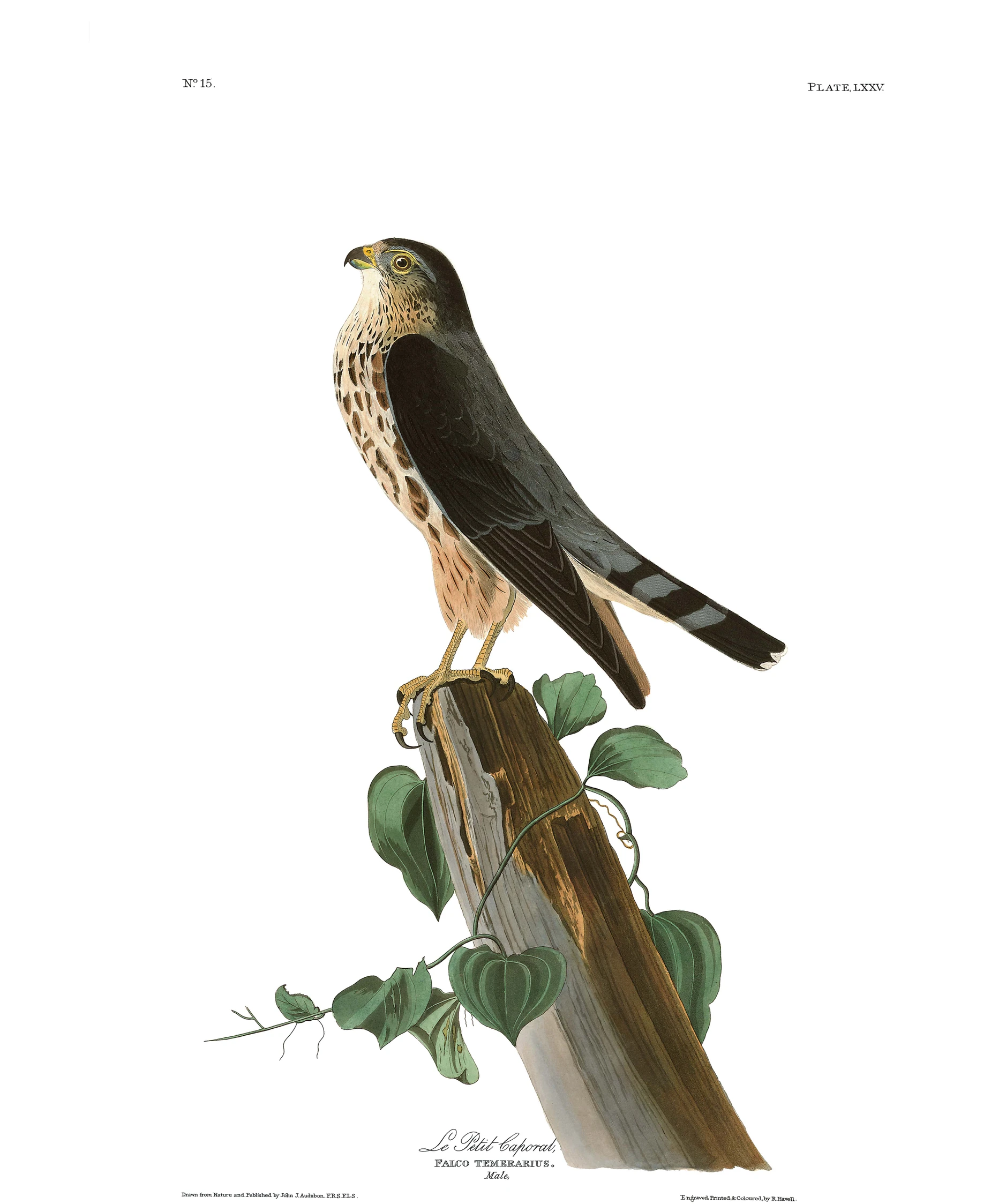
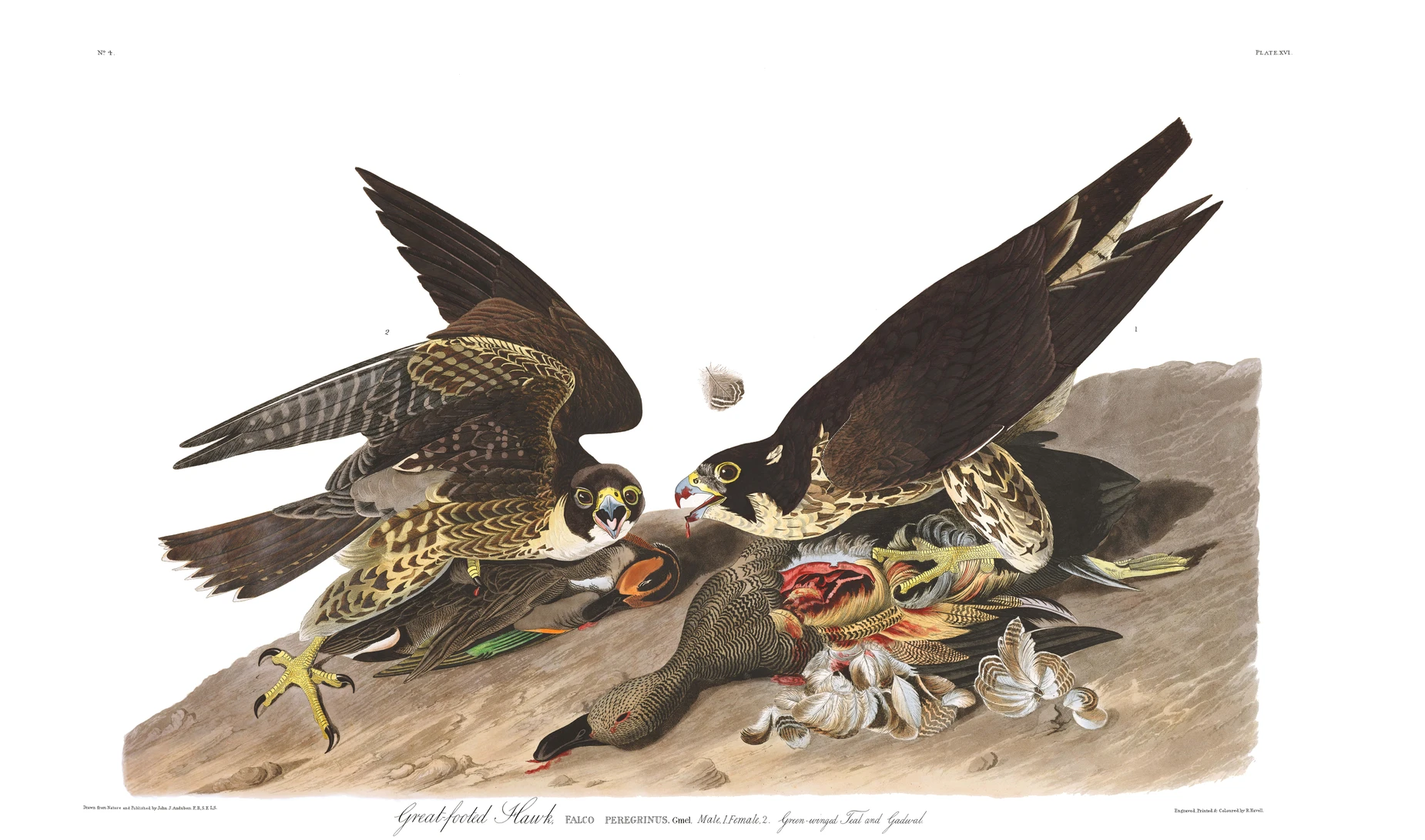
Habitat: Coastal waters of the Atlantic and Pacific; During summers, found in the high North tundra.

Plate Painted By John Gould (1804-1881 AD)
I've only ever seen one of these, it was in the flock of Canada and Cackling Geese.
Habitat: Freshwater wetlands, coastal waters, and open fields. During summers, found in the high North tundra.

Hides amoungst the tall and gagley...
Habitat: Freshwater wetlands, coastal waters, agricultural fields, municiple parks and city centers.

Plate Painted By John Audubon (1785-1851AD)
Token Canadian bird, they seem to not even migrate anymore at this point, I generally see them year round. I notice they are taking care of their hatched young around late May, they are very tiny and yellow. They seemingly could be killed by a bad current of water at this point in life, they could be delta p'd really easily. An old friend of mine shot one while hunting and it dropped in the field. He thought it was dead, and brought it back into the blind, where it miraciously came back to life and started beating him with its wings. The fight turned into a knife fight, and as geese cannot brandish knives as far as I'm aware, it was relativly one sided. The goose jerky was pretty good tho, but everyone always uses the same spices and calls it a homemade family recipe, which I have a major problem with.
Habitat: Freshwater shallow wetlands, coastal waters, and agricultural fields.

Plate Painted By John Gould (1804-1881 AD)
Populations exist freely in the East coast. there was one that lived in this rural pond. I belive it was someones pet at this point, regardless it just free roamed this area. Super large bird, kind of elegant to see floating around.
Habitat: Freshwater shallow wetlands, coastal waters, and agricultural fields.
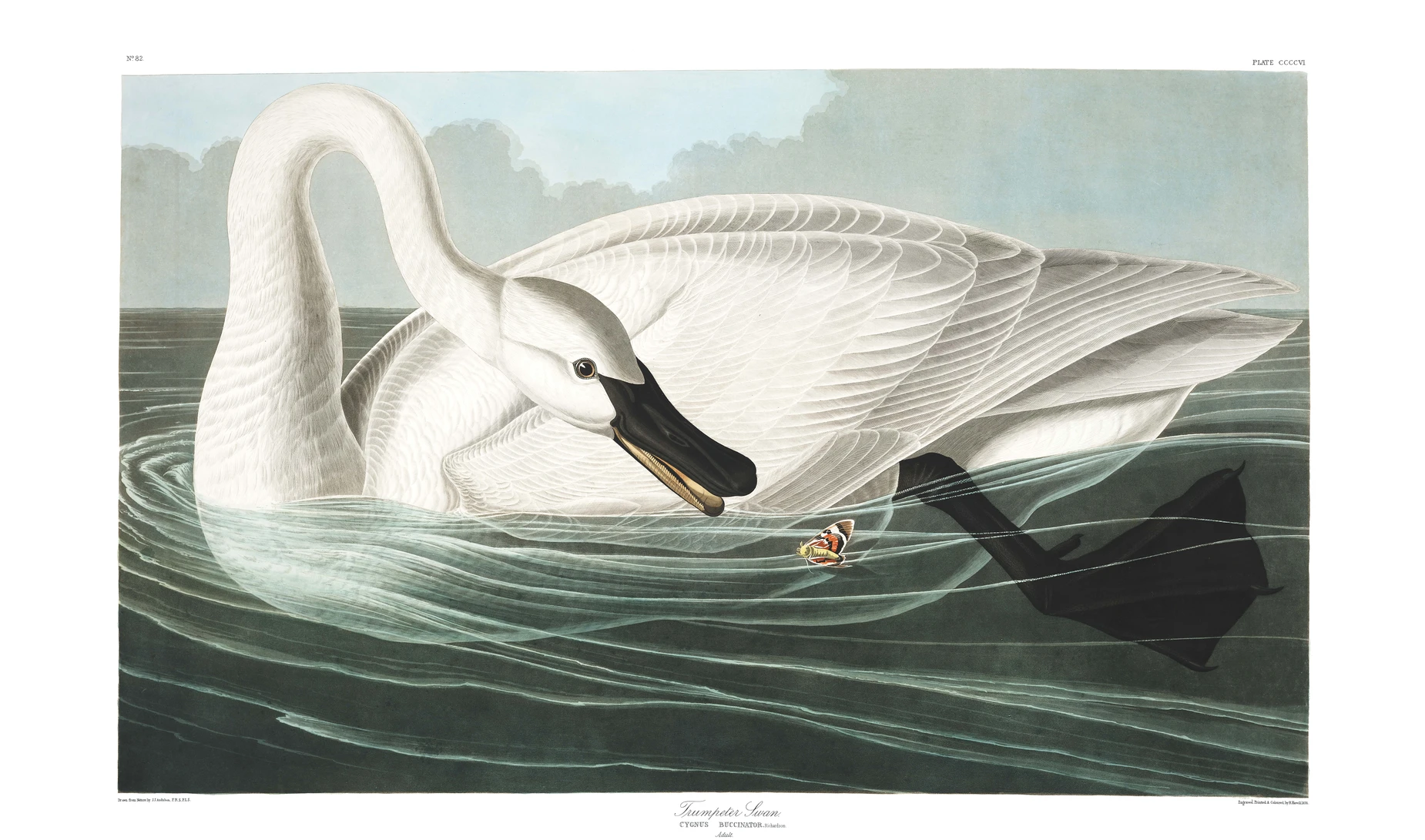
Plate Painted By John Audubon (1785-1851AD)
Absoloutly wonderful birds to see in the lake districts of Central Canada.
Habitat: Flooded Timber, freshwater wetlands, river systems and municiple pond areas.

Plate Painted By John Audubon (1785-1851AD)
Habitat: Marshes, lakes, bays, duck ponds and fields.
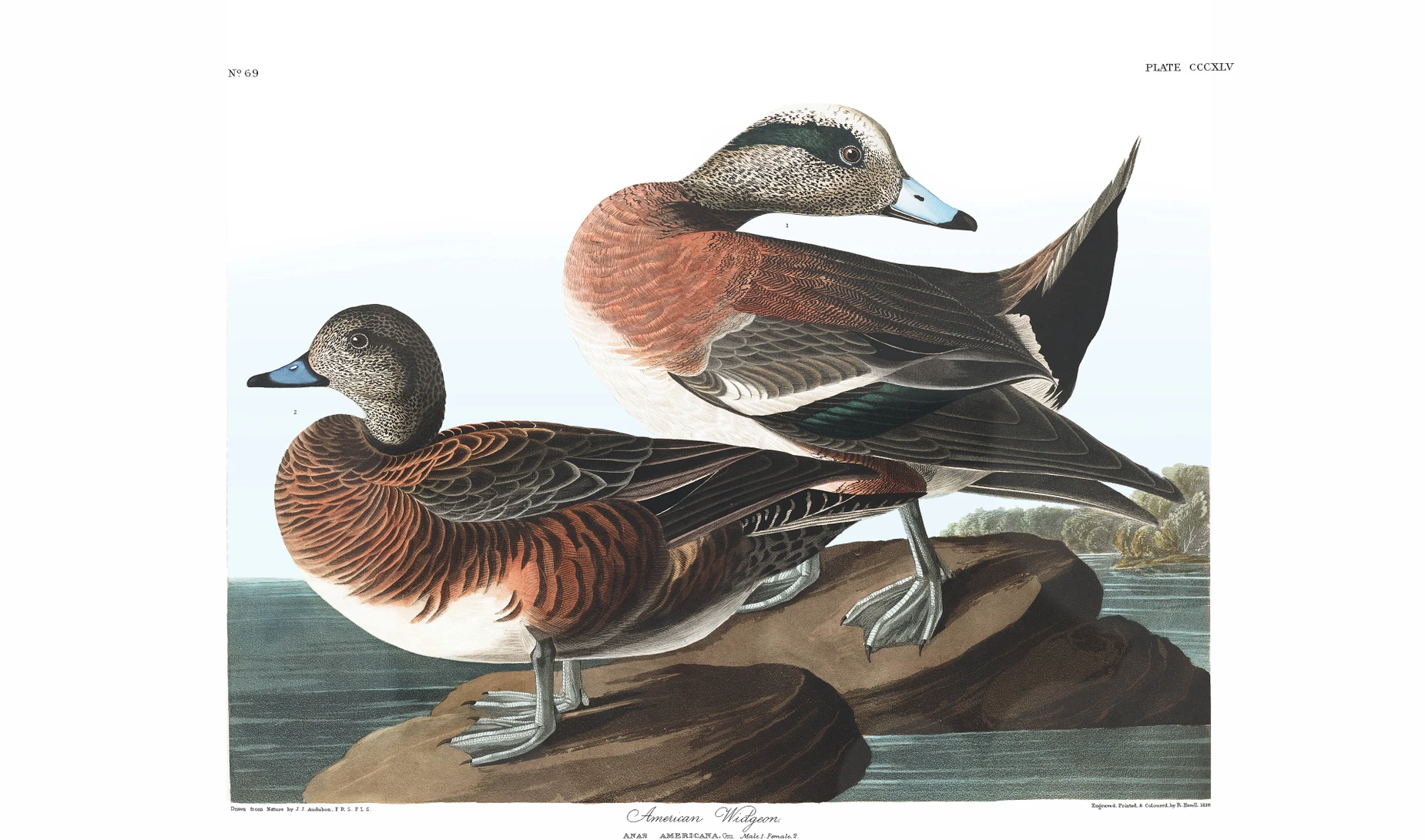
Plate Painted By John Audubon (1785-1851AD)
Habitat: Marshes, lakes, bays, duck ponds and fields.

Plate Painted By John Gould (1804-1881 AD)
Habitat: Marshes, lakes, bays, duck ponds and fields.

Plate Painted By John Gould (1804-1881 AD)
Location | Date

Plate Painted By John Audubon (1785-1851AD)
Location | Date

Plate Painted By Prideaux John Selby (1788-1867 AD)
Location | Date

Plate Painted By Prideaux John Selby (1788-1867 AD)
Location | Date
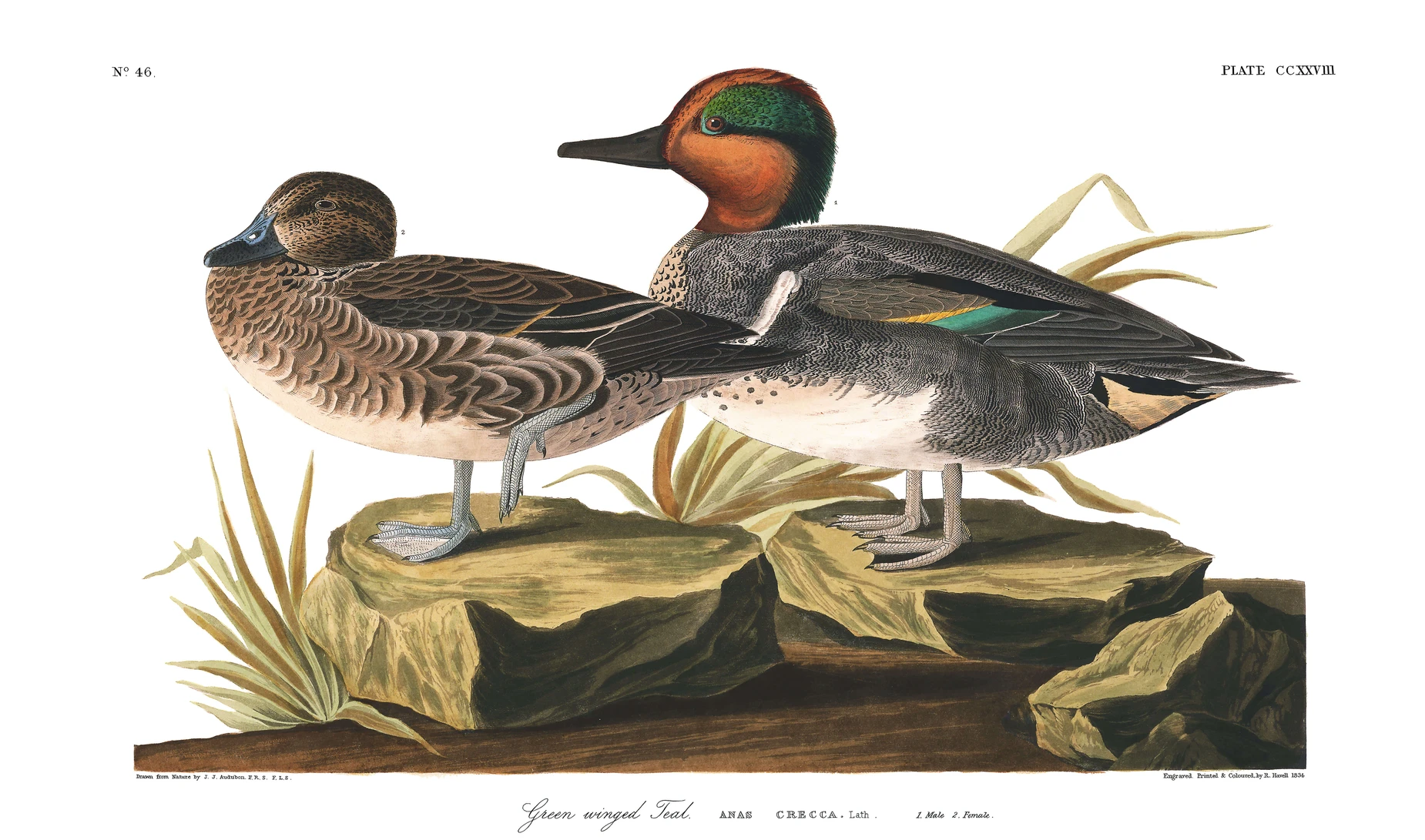
Plate Painted By John Audubon (1785-1851AD)
It's funny to me that people hunt these. They're super tiny dabbling ducks, that are extremly recognizable for their size, their crown feathering and the floresant green found on their wings; this is often seen at rest within male and females. The females feathering remind me of the pattern found in Jaguar Cichlid's (Parachromis managuensis).
Location | Date

Plate Painted By John Audubon (1785-1851AD)
Beautiful duck, easily recognizable by its feathering. I cannot think of another North American duck that resembles it. It's a real joy looking out into a pond, expecting to see Mallards and suddenly seeing a pair of these teal. From my experince, they seem less skittish in the water than some of the other dabbling ducks. I was able to walk to the shoreline as it kind of just trotted around on the water. Meanwhile, the geese were having anorisms about me being in the tree line.
Location | Date

Plate Painted By John Audubon (1785-1851AD)
A bizzare duck, it's bill is extremly large. I've only seen them the odd time, once in a city lagoon, and again in a salt marsh. A pair was foraging amounst some Gadwells, I've noticed they stay dabbled underwater longer than other dabbling ducks. Their bill is blueish in colour as well, other wise their feathering is similiar to a mallard in pallet tone; though not exactly identical. The replication of patterns in nature has been facinating me over the last few years, specifically, how it can occure seemingly independently across continents. The best example I can think of are the worlds woodpeckers, so many of them often have red heads for whatever reason, I wonder what the evolutionary drive was for this. I should probably look into geneolology more.
Location | Date

Plate Painted By Prideaux John Selby (1788-1867AD)
Hundreds maybe thousands of ducks occuring concurently, they form great rafts in estuaries and costal waters during the winter. Larger than the Lesser Scaup, at a distance is hard to pinpoint the difference. From my understanding, their head is greener and the feathering is more rounded. I often see these in the winter on the Atlantic, and they disapear as soon as the snow melts and the ice clears.
Location | Date
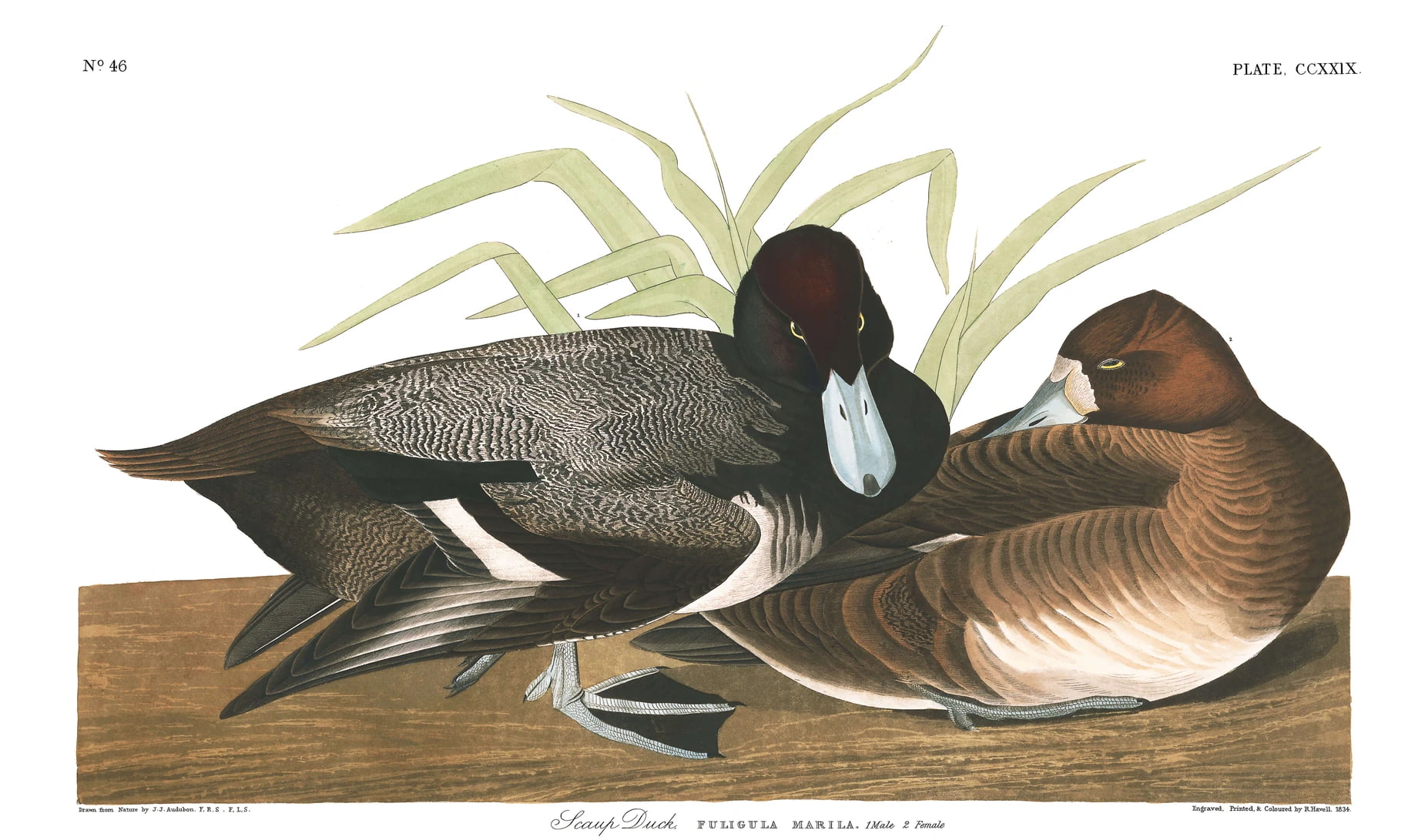
Plate Painted By John Audubon (1785-1851AD)
Hidden amongst the great, minutia seperates them at difference from their cousins. I've only seen these scattered amounst Greater Scaup, their head feathering is slightly bluer than green, and there is also a point of tempering breaking the round circumfrence at about 11 Oclock on a West facing bird. Their side aswell is more grizzeld in colouration. They seemingly occupy the same habitat and trends of the Greater Scaup, I've only ever seen them mixed in with large mixed flocks of the latter.
Location | Date
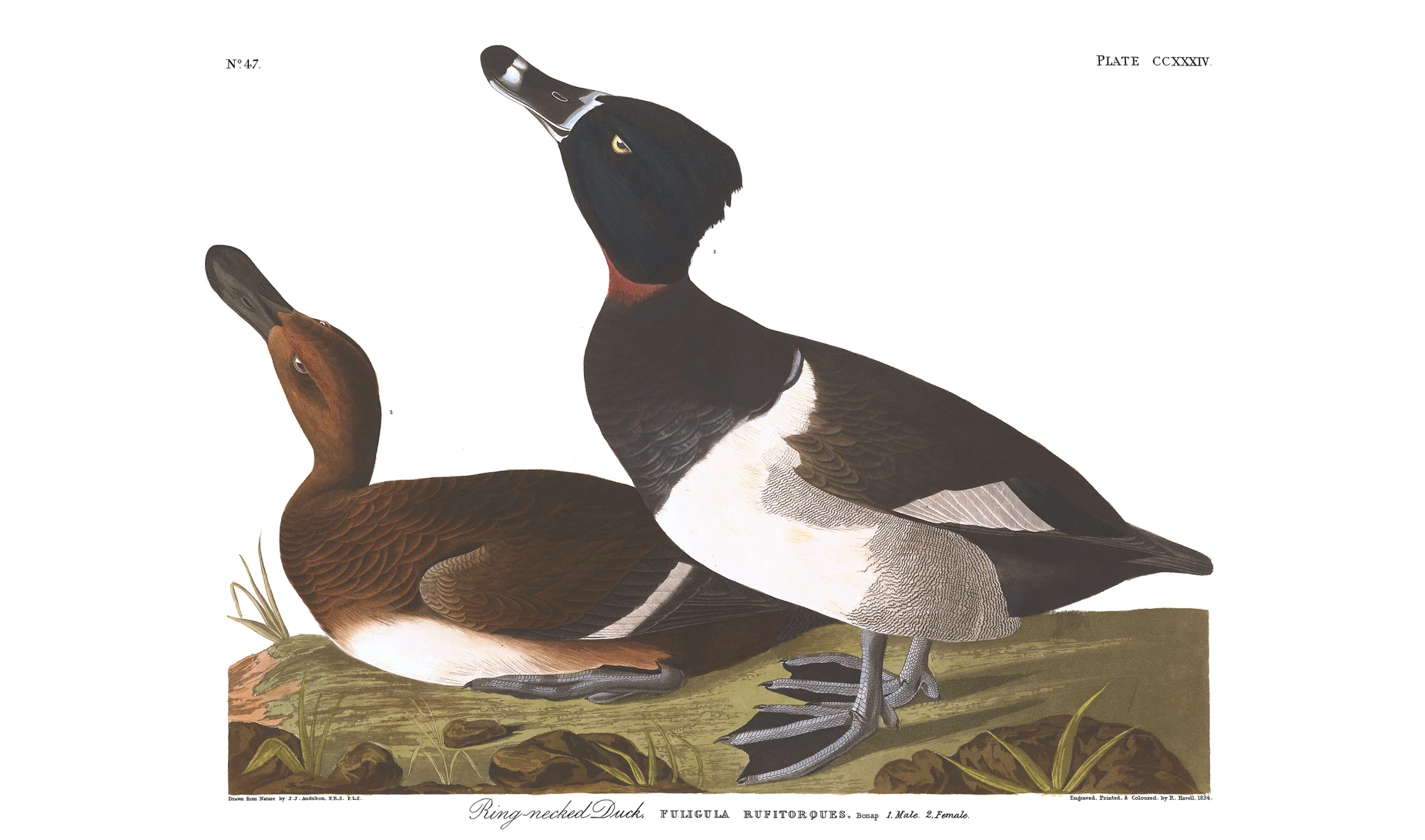
Plate Painted By John Audubon (1785-1851AD)
Though not sporting an obvious ringed neck, glimpses of chestnut are caught in his hue. A Scaup at first glance, until the ivory frame of its bill leads to its solidification as an independent. Also the timing of the year and habitat they are found in, can help seperate them off the hop. I often see these guys in the early spring ⇢ into summer, sitting in shallow coastal ponds and munciple lagoons.
The Eastern Sea | Date
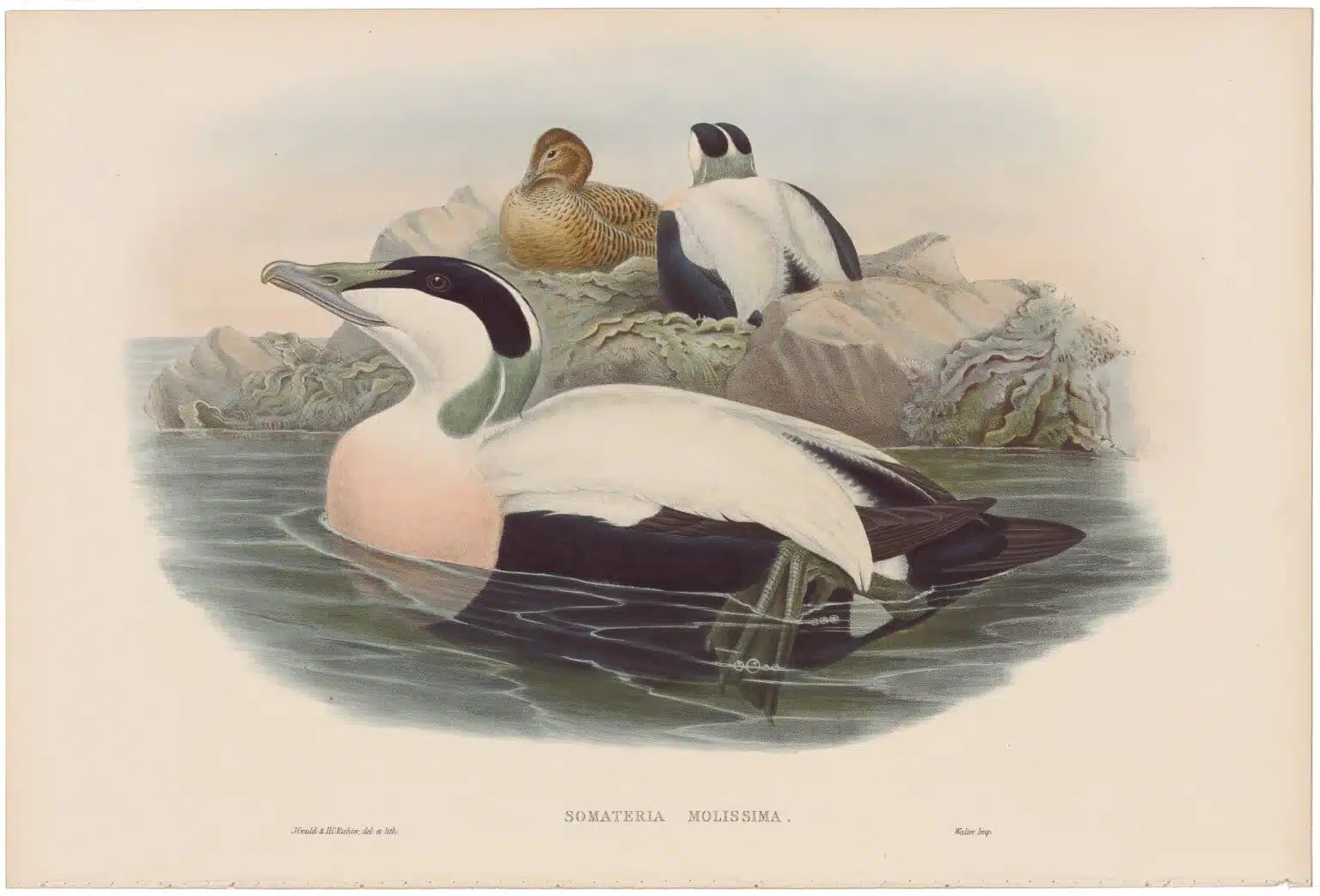
Plate Painted By John Gould (1804-1881 AD)
A relativly large seaduck; trading still inland water, for the choppy rip of the tide, may frequently be found in coastal surf. It's roman nose is a sure identifier when winter conditions strip the male bird of its otherwise stark Gannet coded coat. I really enjoy running into these birds, often seeing them off the coast during the winter.
The Eastern sea | Date
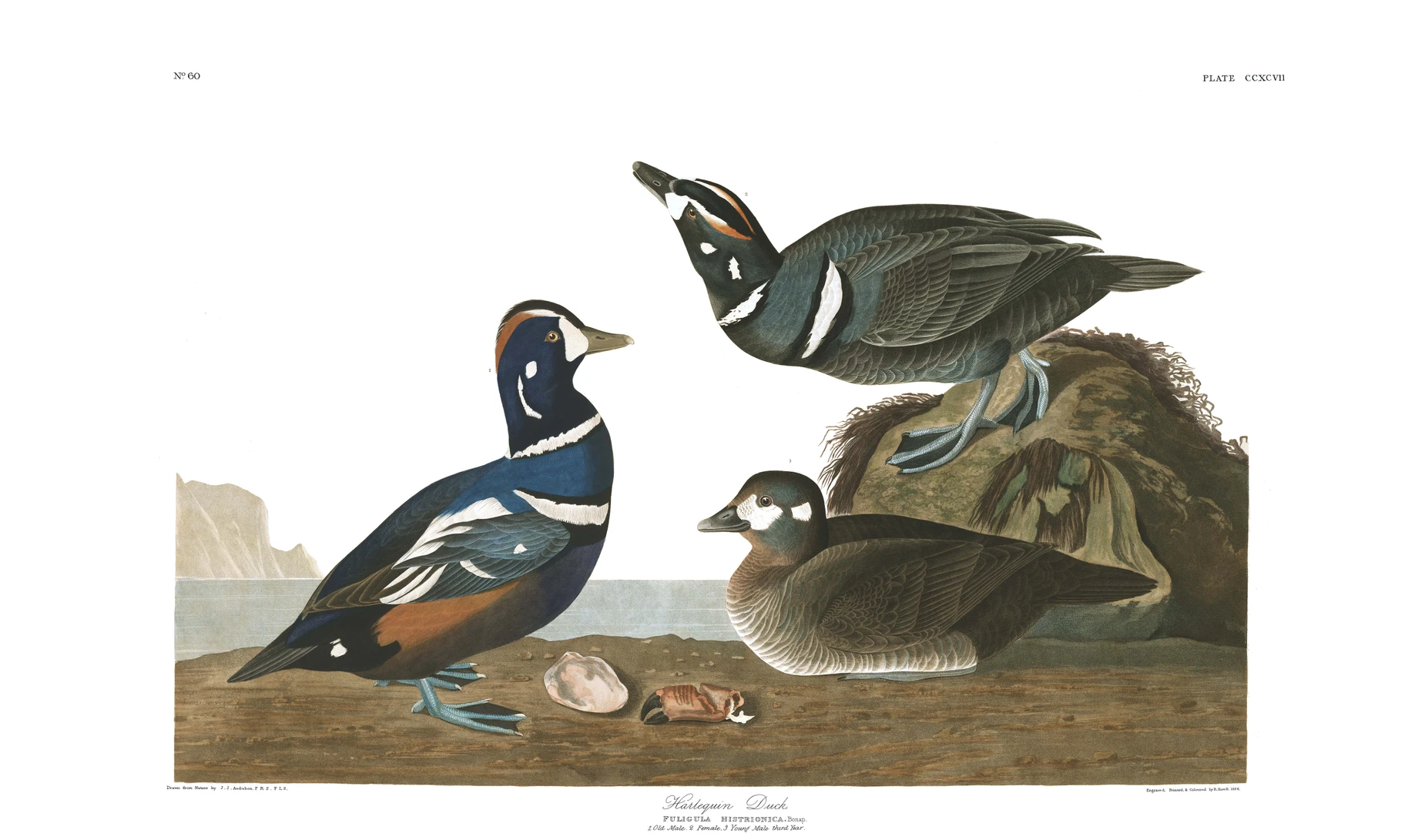
Plate Painted By John Audubon (1785-1851AD)
Yet no other seaduck I have glimpsed has rivaled the decorum of the male Harlequin. The female, cryptic in her feathering, bears the marking of paint behind her eyes. I remember the first time seeing a pair, I was walking this cliffside, and in this cove below me, cut out of the sandstone, a pair was floating around. I suppose too, the fact they are rare visitors to the area where I was, also added to my awe. Since then, I have seen many during the winter months on the Atlantic coast, I'm either pretty lucky, skilled or their Atlantic populations are doing okay.
The Eastern Sea | Date
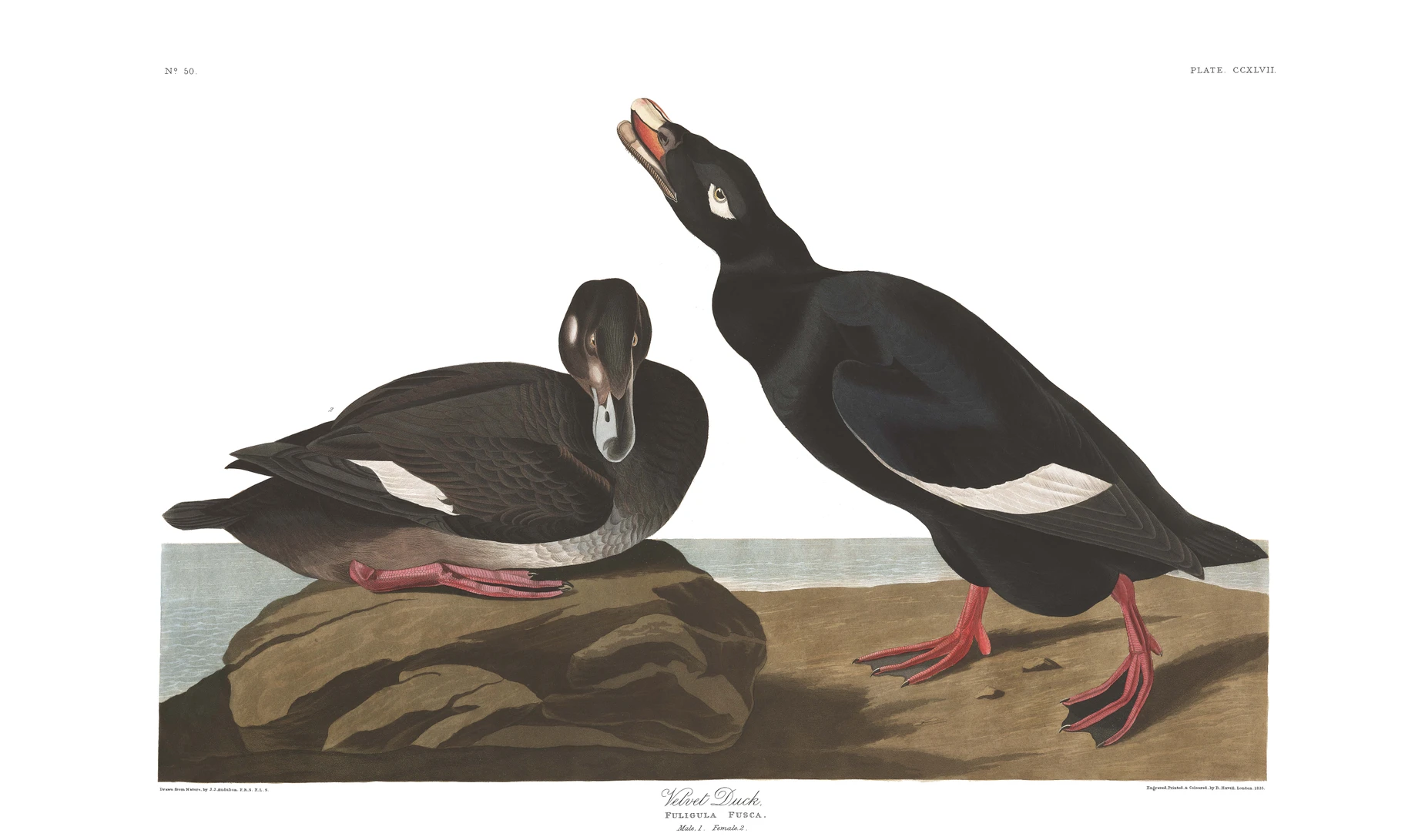
Plate Painted By John Audubon (1785-1851AD)
It's white wings contrasting amoungst the black. A creature where the nature of its beak is bizare and non-understood to me, bears semblence to its distant cousins in its robust and malformed nature.
Location | Date

Plate Painted By John Gould (1804-1881 AD)
Their bill really trips me out o_O I geniually have no clue whats going on there, and the more I look the more comfused I get.
Location | Date

Plate Painted By John Gould (1804-1881 AD)
Location | Date

Plate Painted By John Gould (1804-1881 AD)
Plentiful duck spotted in estuaries or rough surf, they seem to have preference for conditions composed of enviromental hostilities, like its fellow seabirds. Very aestetically pleasing duck to me, there's something about white and black ducks that really capitivate me, I think its the contrast and the crypsticness that calls to me.
Location | Date
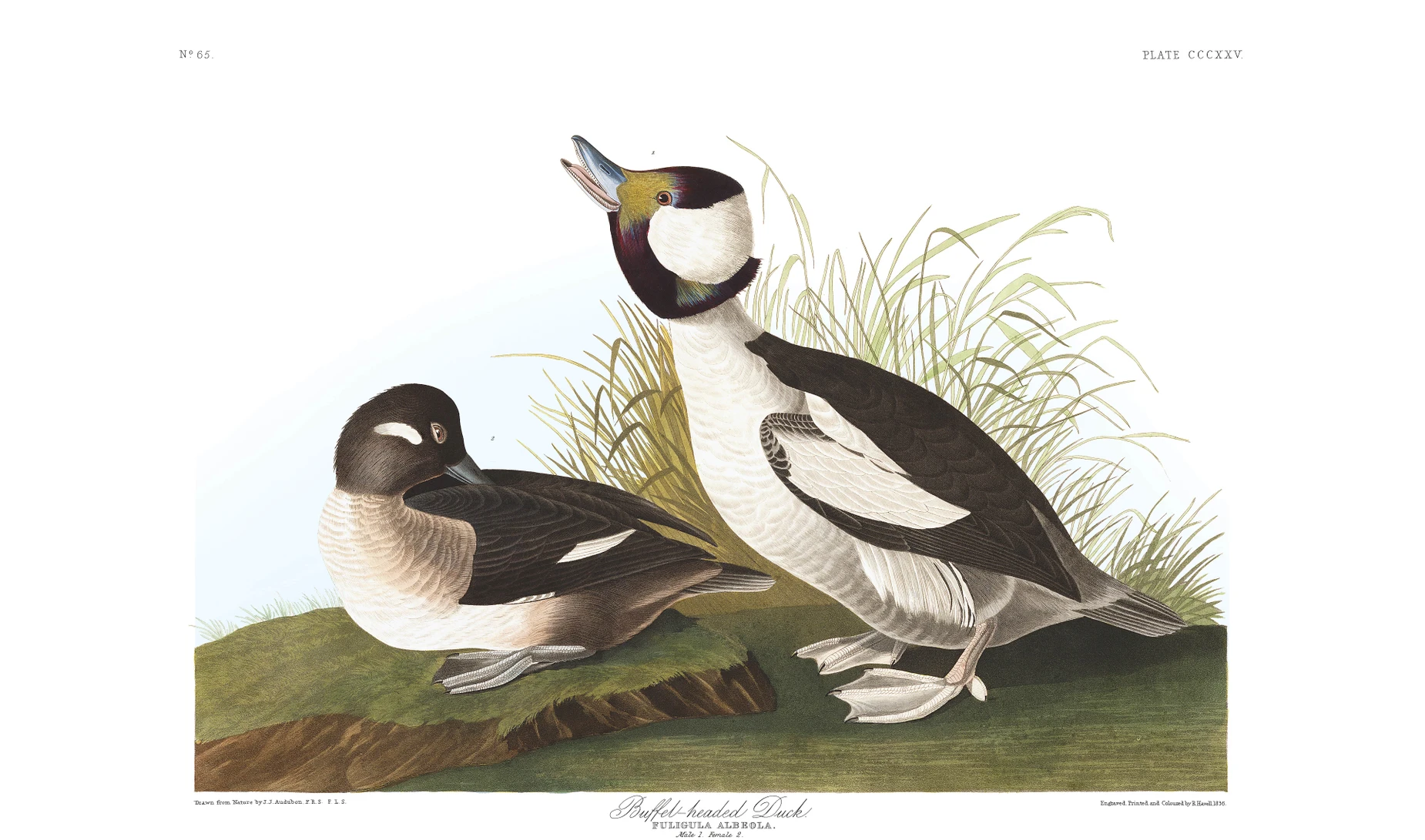
Plate Painted By John Audubon (1785-1851AD)
Small funny diving duck, one of my favourites. They have that CSGO oil slick feathering going on, and I think its cool. I often would see them in the winter, sitting out in open sections of estuaries, or further up coastal rivers, typically staying in the brakish zones. Though last winter I didn't see any, which wass weird because they were the most common duck the winter before.
Location | Date

Plate Painted By John Audubon (1785-1851AD)
Location | Date

Plate Painted By John Gould (1804-1881 AD)
Location | Date

Plate Painted By John Gould (1804-1881 AD)
A woodland duck, males are known for their disked hood, whichs holdes a a white crescent within its black plumage. The females alike have this hooded feature, though it is far more muted in colour, resembling the tone of deer fur. Its young must plunge to ground from heights of their arboreal nestage, upon entering the world outside their nest within the first 24-48hr of life. Following a series of calculation, it is estimated that the terminal velocity of a fledgling is around between 13.66 m/s and 15.00 m/s, with an estimated impact force of 0.653 N from a nest of 5m elevation.
Location | Date

Plate Painted By John Gould (1804-1881 AD)
Though their meat taste of rotten fish, and their presence a gurantee brings no excitement, though their constance has been stiring mythology upon my eyes. I have realised over the years that the novelty lost in reccuring species in an area, does not translate to loss, it instead paints the ecosystem in constants. I would dread a world where the fauna is randomized in arbritrary occurances of life. Without the presence of local inhabitants, the beauty of rareity could never be aprechiated. This leads into the duality of rarity, it is funny to me that to find a rare bird is seen as an acomplishment, when often times the reasons behind its scarcity, is the indescriminate destruction of habitat by man, creating this scarcity effect. As ecologists, we are directly affected by the same physics of market analysists.
Location | Date
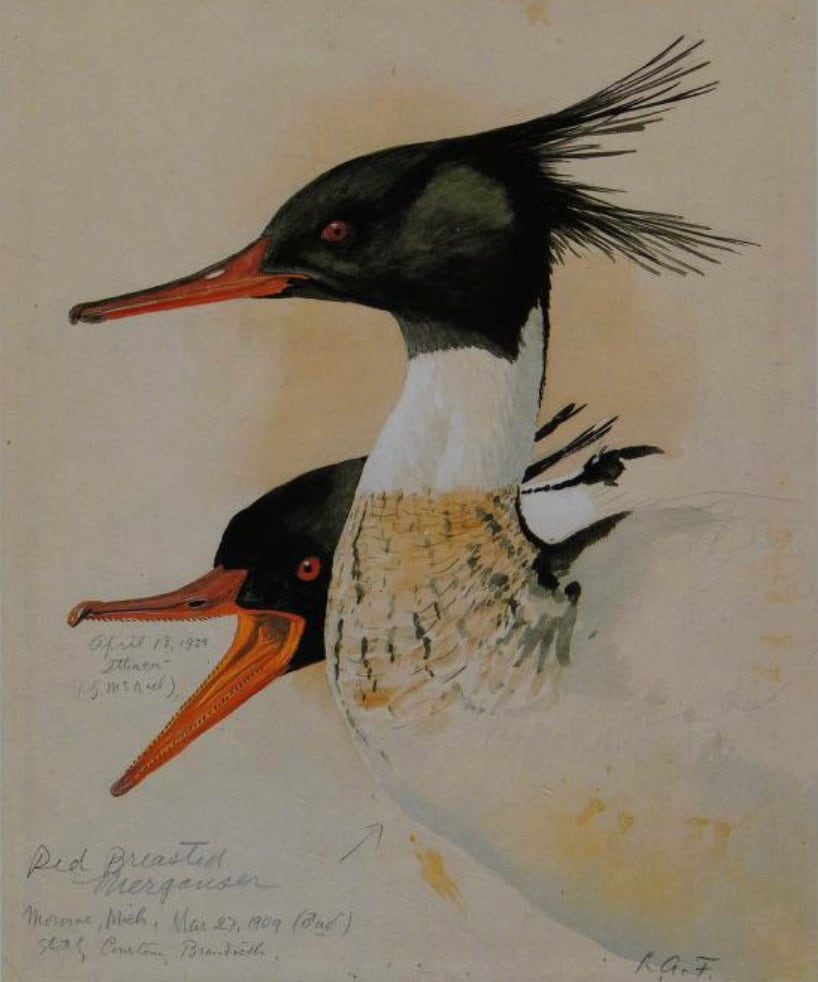
Plate Painted By John Gould (1804-1881 AD)
Location | Date

Plate Painted By Edward Lear (1812-1888AD)
Location | Date

Plate Painted By John Audubon (1785-1851AD)
When I saw them inland 2200km from the Atlantic, 2100km from the Pacific and 940km from the arctic, I thought I was experincing a fever dream. An extremly large water bird, they flock by the hundreds. I am shocked that there are still enough fish in the lakes to sustain these birds, for I cannot imagine they eat seeds or small flying insects; though, the concept of them consuming small pets seems viable. As the name suggests, they are a white pelican, which seperates them from their cousin, the brown pelican.
Location | Date

Plate Painted By John Audubon (1785-1851AD)
An unappreciated seabird, blamed for failing fish stocks in the commercially fished seas. Often seen perching on rocks, with their wings extended towards the sun. Very common in costal settings, its orange patches near beak and smaller size seperate it from the less common Great Cormorant. One may look at them as the pidgeons of the sea.
Location | Date

Plate Painted By John Audubon (1785-1851AD)
During breeding season, they display a white throat, along with a white patch on both sides of their flanks. They nest seaside on the east amoung the sandstone and rocky cliffsides. I remember being
Location | Date
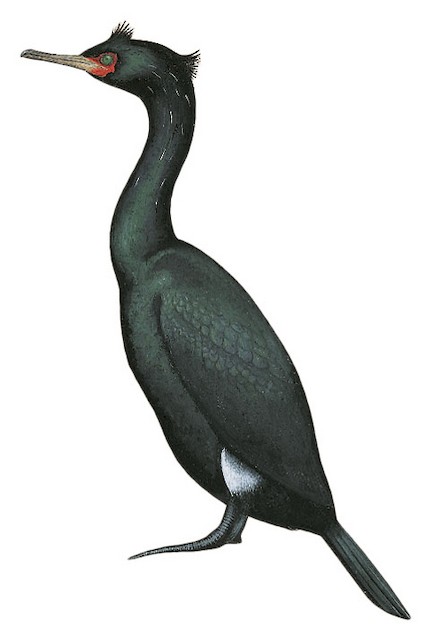
Plate Painted By John Audubon (1785-1851AD)
Spotted frequently during my time in the North Pacific, it seems to be the dominate cormorant species amounst the islands. It's bright white flanks during mating season and iridescent dark green feathering identifies it from similar species in it's range spanning from continents across the North Pacific.
Location | Date

Plate Painted By John Audubon (1785-1851AD)
Location | Date

Plate Painted By John Gould (1804-1881 AD)
Location | Date
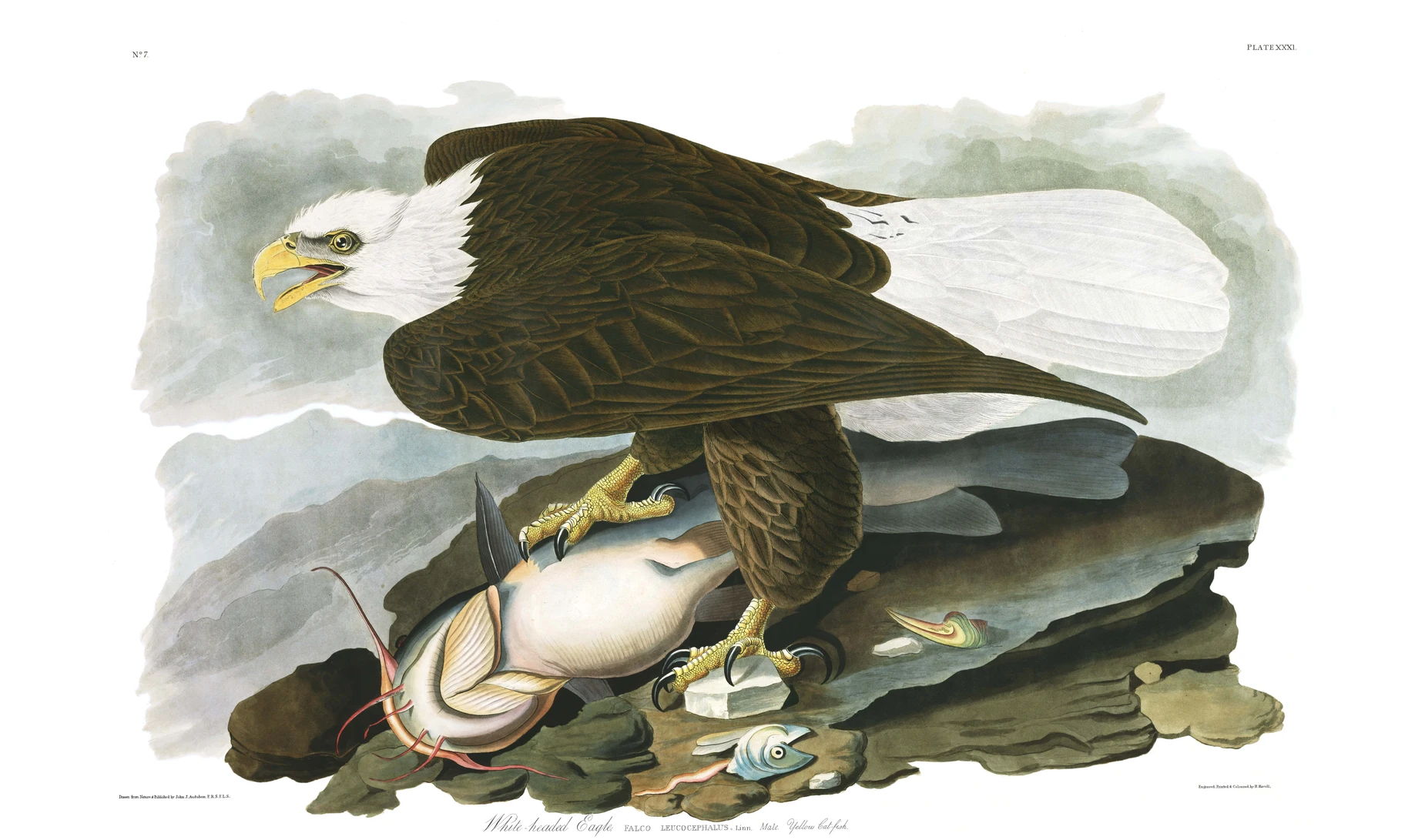
Plate Painted By John Audubon (1785-1851AD)
Location | Date
Plate Painted By John Gould (1804-1881 AD)
Location | Date
Plate Painted By John Audubon (1785-1851AD)
Location | Date

Plate Painted By Louis-Agassiz-Fuertes (1874-1927AD)
My favourite Accipiter, super elusive to me. I've only glimpsed them hunting on treelines. I find their chest has this degital camo pattern.
Location | Date

Plate Painted By John Audubon (1785-1851AD)
Location | Date
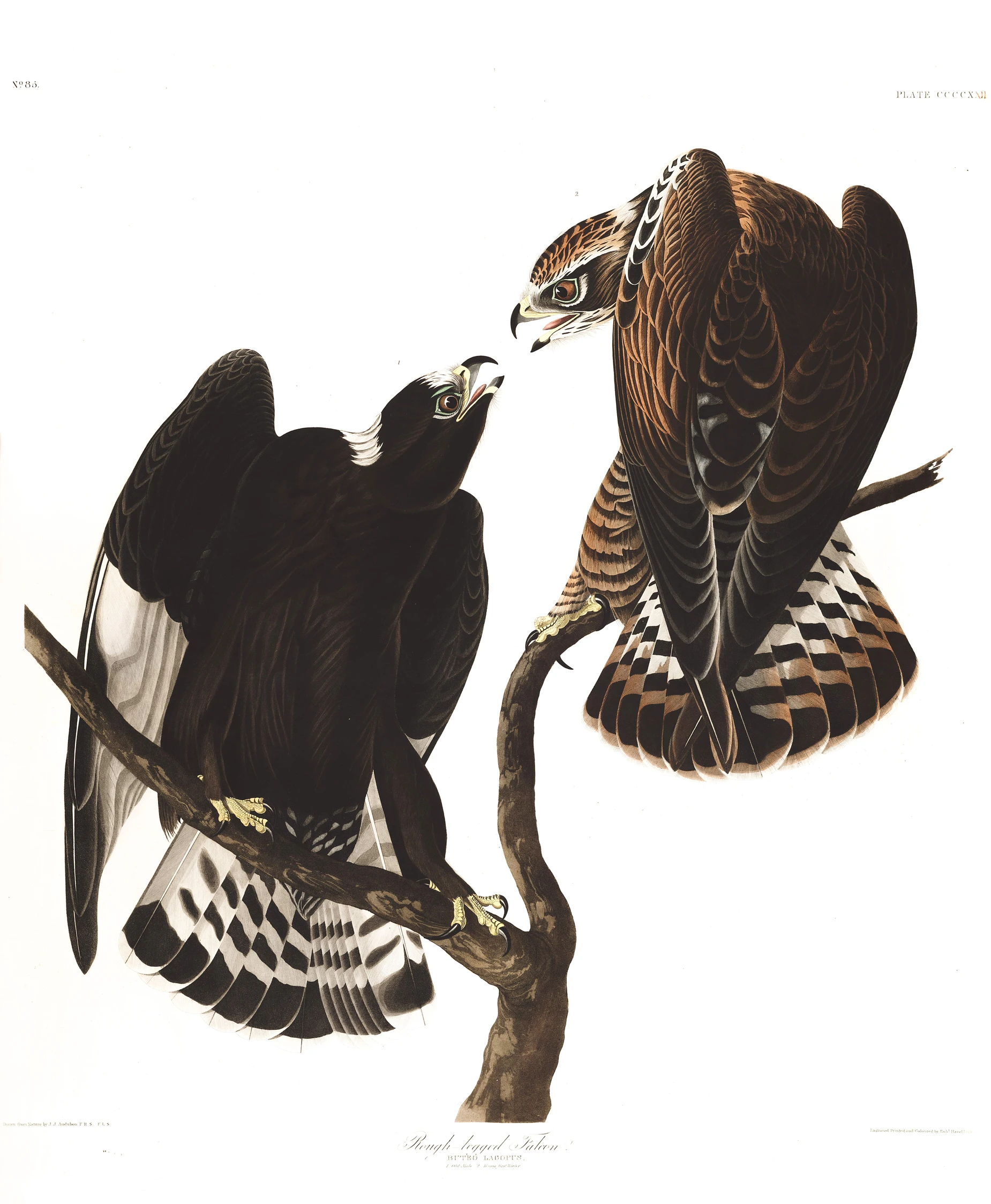
Plate Painted By John Audubon (1785-1851AD)
Location | Date
![]()
Plate Painted By John Audubon (1785-1851AD)
First spotted up at Sweenies, above the pond. Noticed it in the alders, orginally thought it may of been a sparrow, then its large size comfused me. Facinating how it perches, and extends its neck to forage assumably for insects. I tried recording it's calls, but it was completly silent. In flight, the long rectrices were a key field marker. Possibly the most interesting bird I've spotted in recent time, it was a thril and very unexpected. - UK/07/26
Location | Date
Plate Painted By John Gould (1804-1881 AD)
Location | Date
Plate Painted By John Gould (1804-1881 AD)
Low tide on the Dunk near highway bridge. Mixed in with greater and lesser yellow legs, along with some other shore birds I couldent recognize. Returned the following day to observe them further. I noticed them seemed to be in pair groupings, and showing some intraspecies comunications through body movement. They would remain generally close to eachother, and one would sit on the ground and sort of teater forward. They also seemed very tolerant of eachother, placing their heads near by while foraging. Their calls are the quintessential sound of ocean life.
There were too minks catching fish near me, under the bridge. The large rocks seemed to be entertaining to them, crawling around and under them.-08/11/26
Location | Date
Plate Painted By John Gould (1804-1881 AD)
Low tide on the Dunk near highway bridge, found amounst the Black-bellied plovers. Noticed them being pushed off foraged food by the larger yellow-leg species. If I'm correct, they are stopping here while returning from their arctic vacation grounds. -08/11/26
Location | Date

Plate Painted By John Audubon (1785-1851AD)
Location | Date
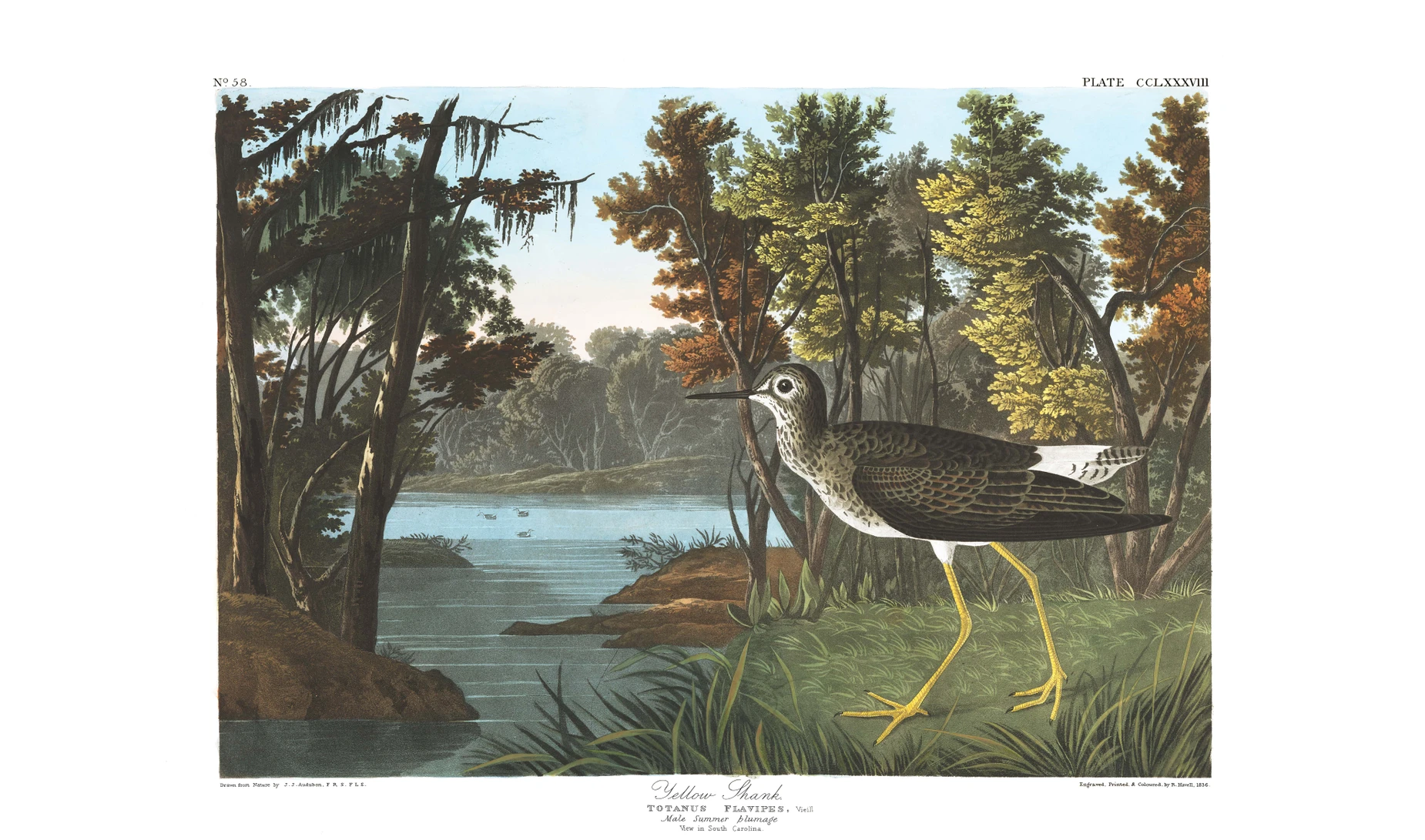
Plate Painted By John Audubon (1785-1851AD)
Location | Date
![]()
Plate Painted By John Audubon (1785-1851AD)
Location | Date
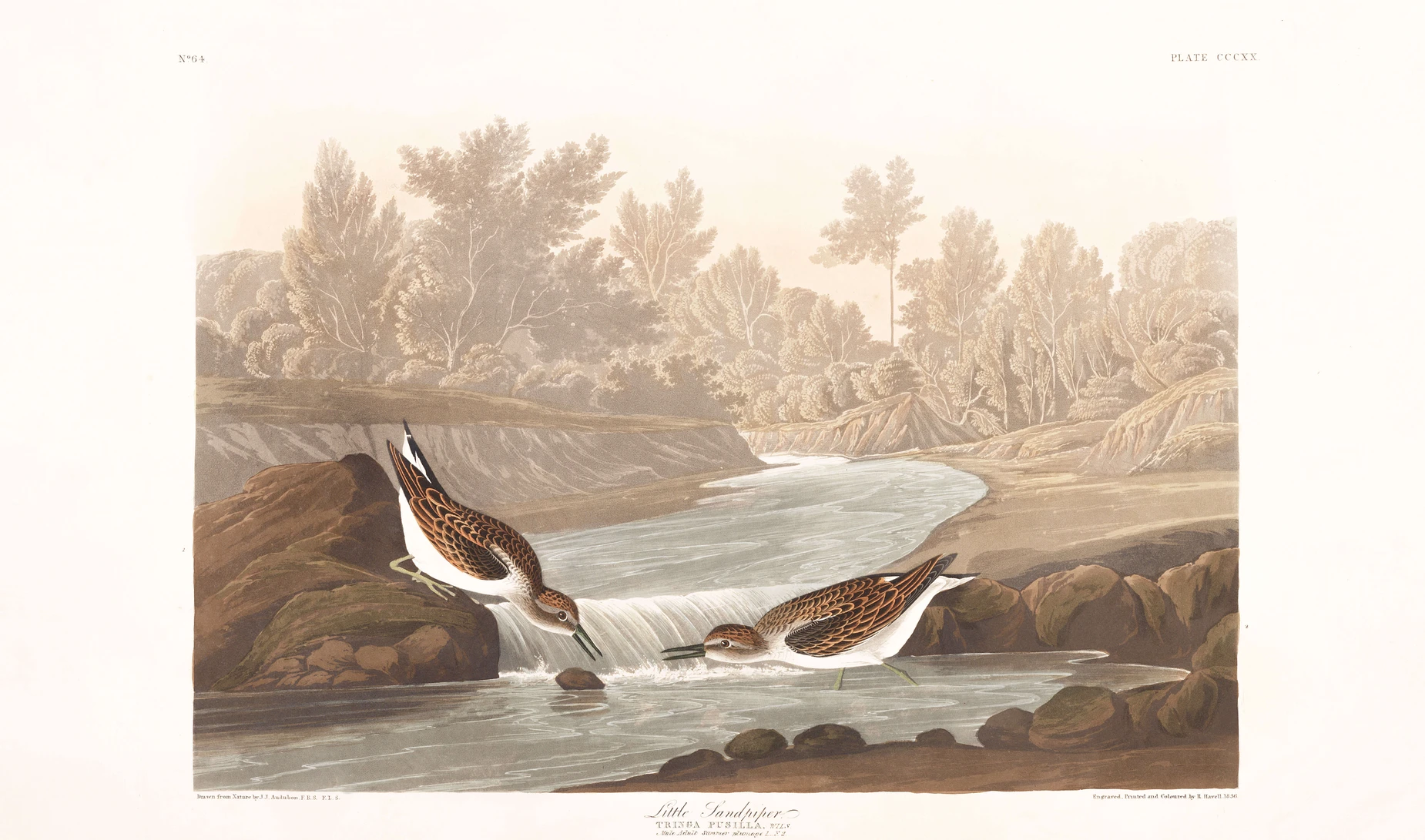
Plate Painted By John Audubon (1785-1851AD)
Location | Date
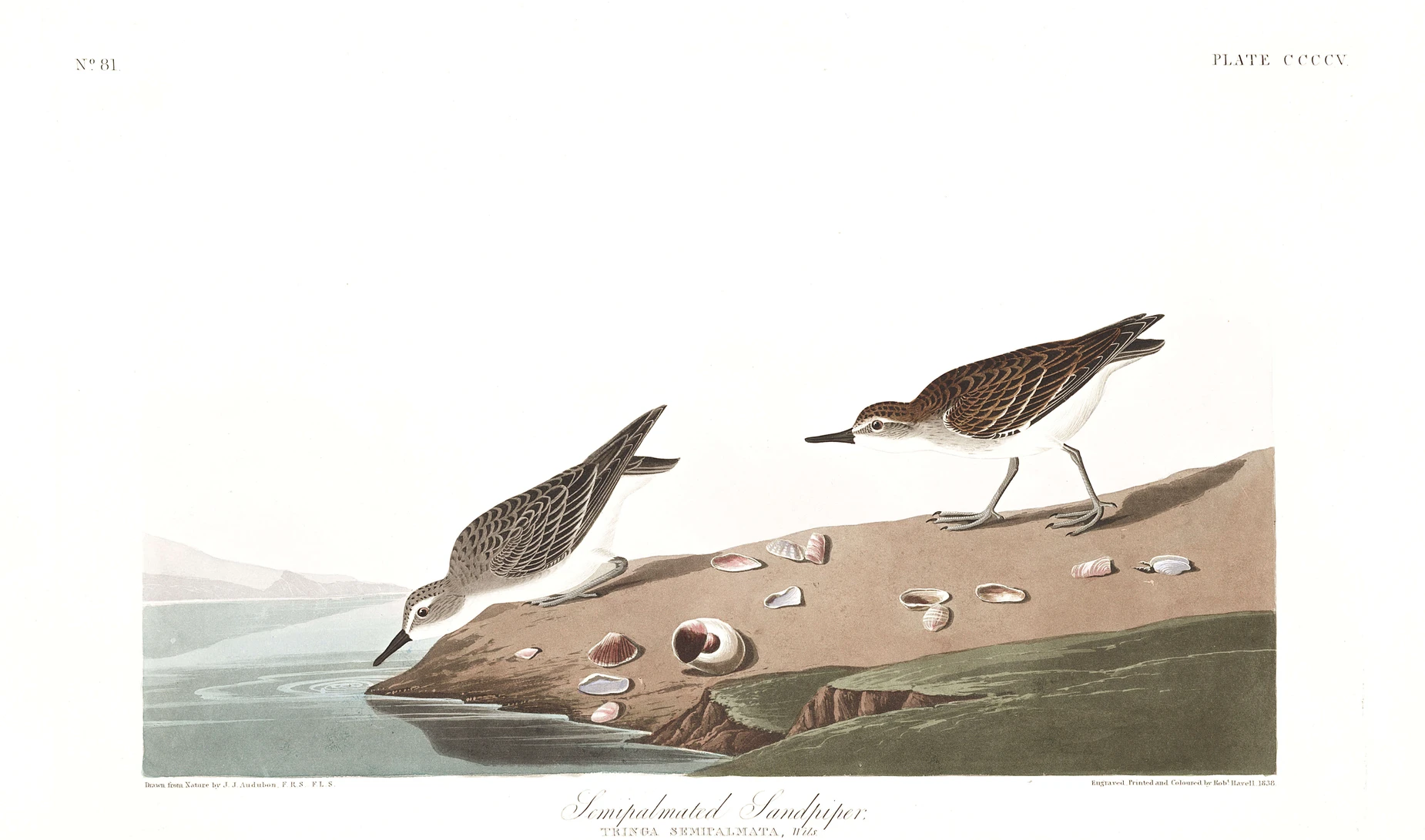
Plate Painted By John Audubon (1785-1851AD)
Very small shore bird, I noticed a pair of them foraging in a mud flat in an inland pond. At first I asuumed they were Least sandpipers, but instead of yellow legs, they had black legs. I'm starting to realise I see more shore birds away from the beech than I do at the beech.
Location | Date

Plate Painted By John Audubon (1785-1851AD)
Location | Date

Plate Painted By John Audubon (1785-1851AD)
Location | Date
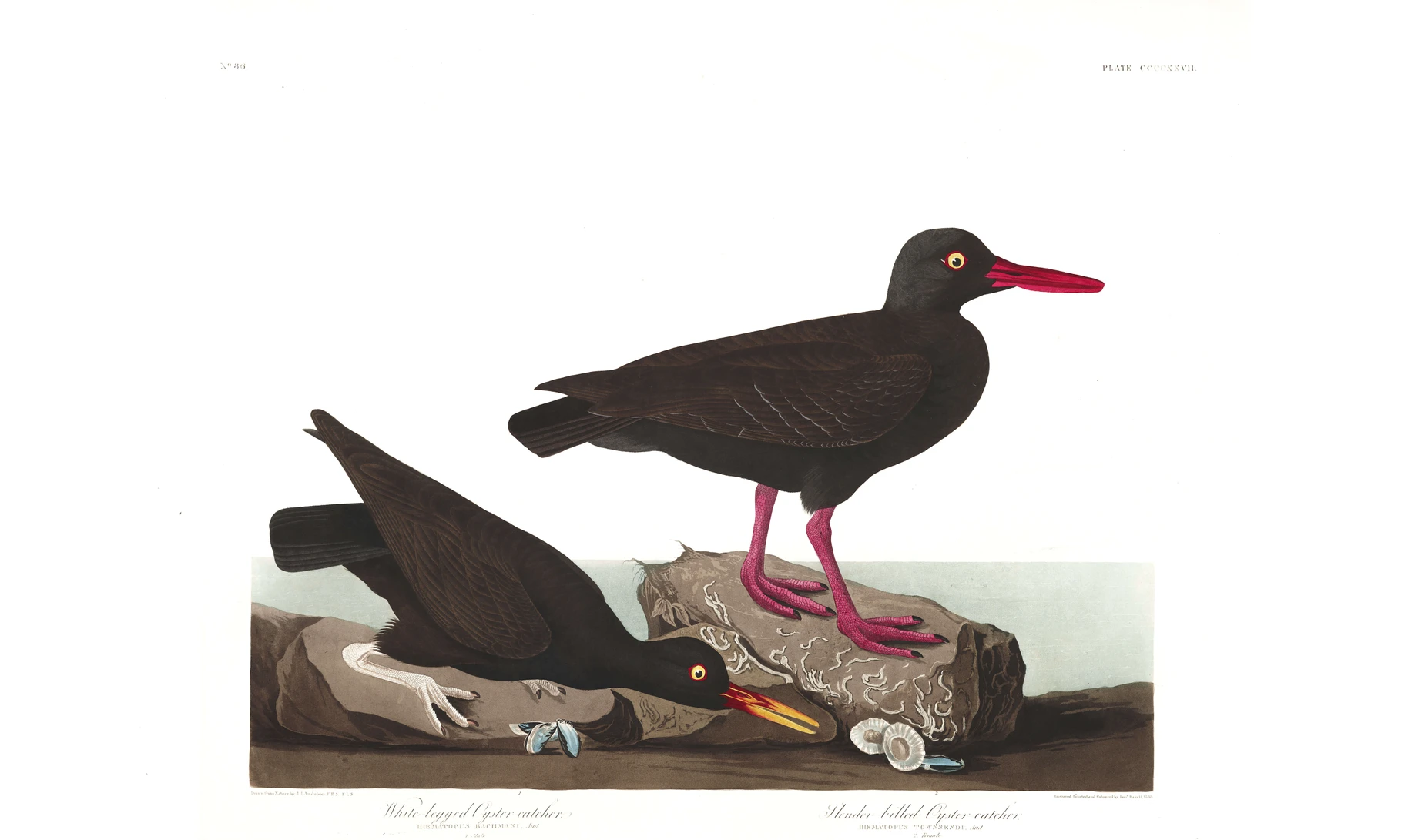
Plate Painted By John Audubon (1785-1851AD)
Location | Date
Plate Painted By John Gould (1804-1881 AD)
Location | Date

Plate Painted By John Audubon (1785-1851AD)
Location | Date
Plate Painted By John Gould (1804-1881 AD)
Location | Date
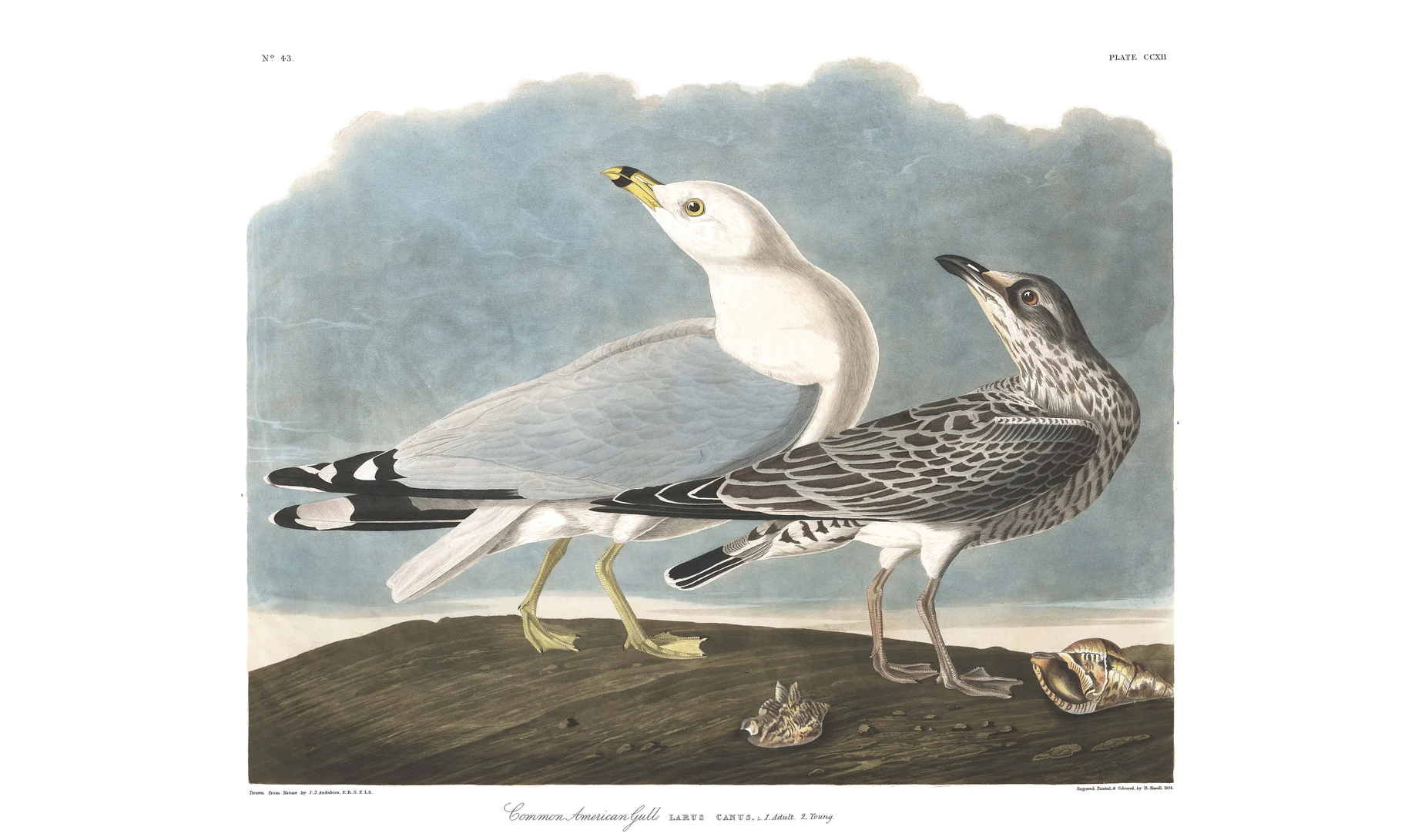
Plate Painted By John Audubon (1785-1851AD)
Location | Date

Plate Painted By John Audubon (1785-1851AD)
Location | Date

Plate Painted By John Audubon (1785-1851AD)
Location | Date

Plate Painted By John Audubon (1785-1851AD)
Location | Date
![]()
Plate Painted By John Gould (1804-1881 AD)
Location | Date

Plate Painted By John Audubon (1785-1851AD)
Location | Date

Plate Painted By John Gould (1804-1881 AD)
Location | Date
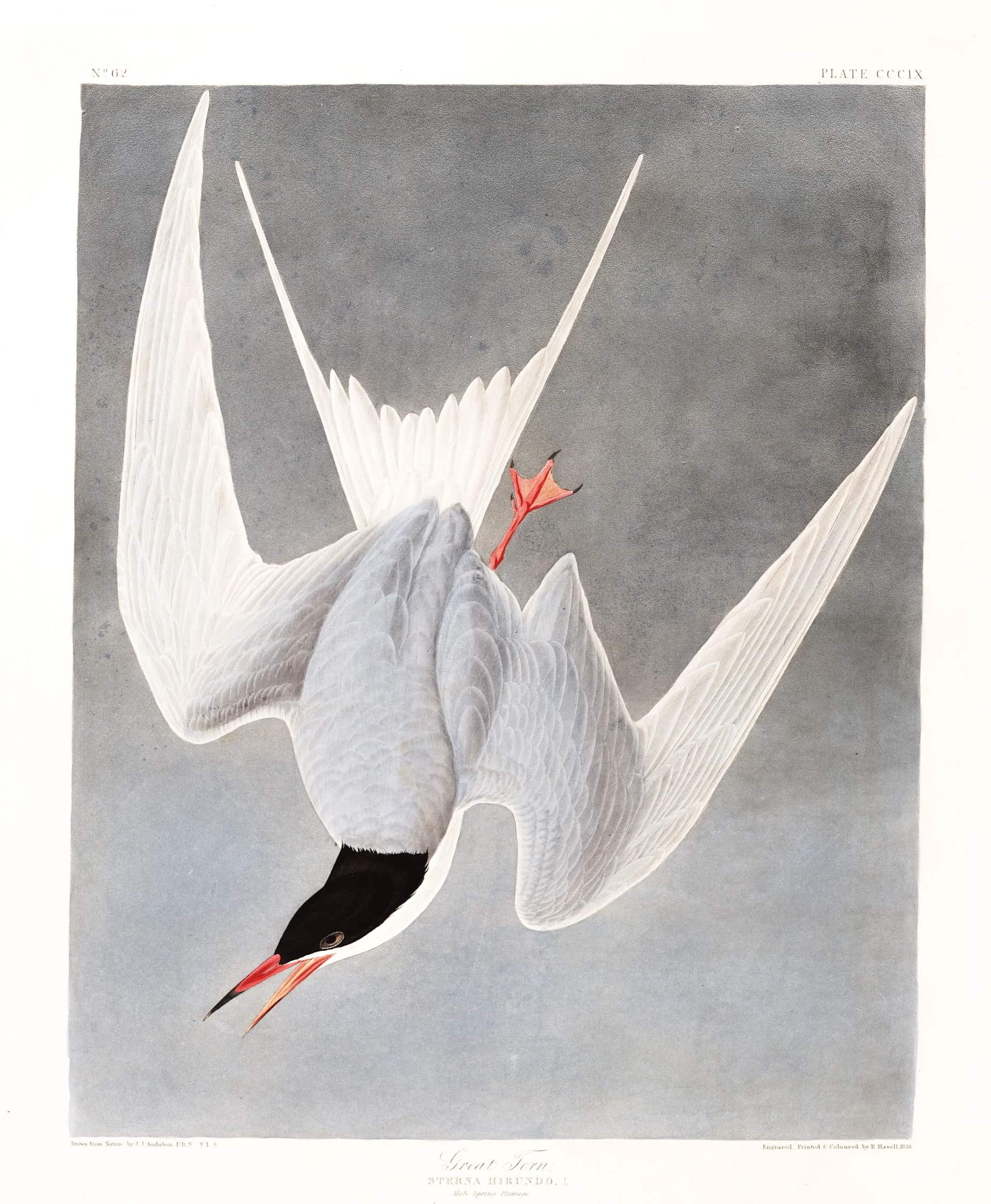
Plate Painted By John Audubon (1785-1851AD)
Location | Date

Plate Painted By John Audubon (1785-1851AD)
Location | Date
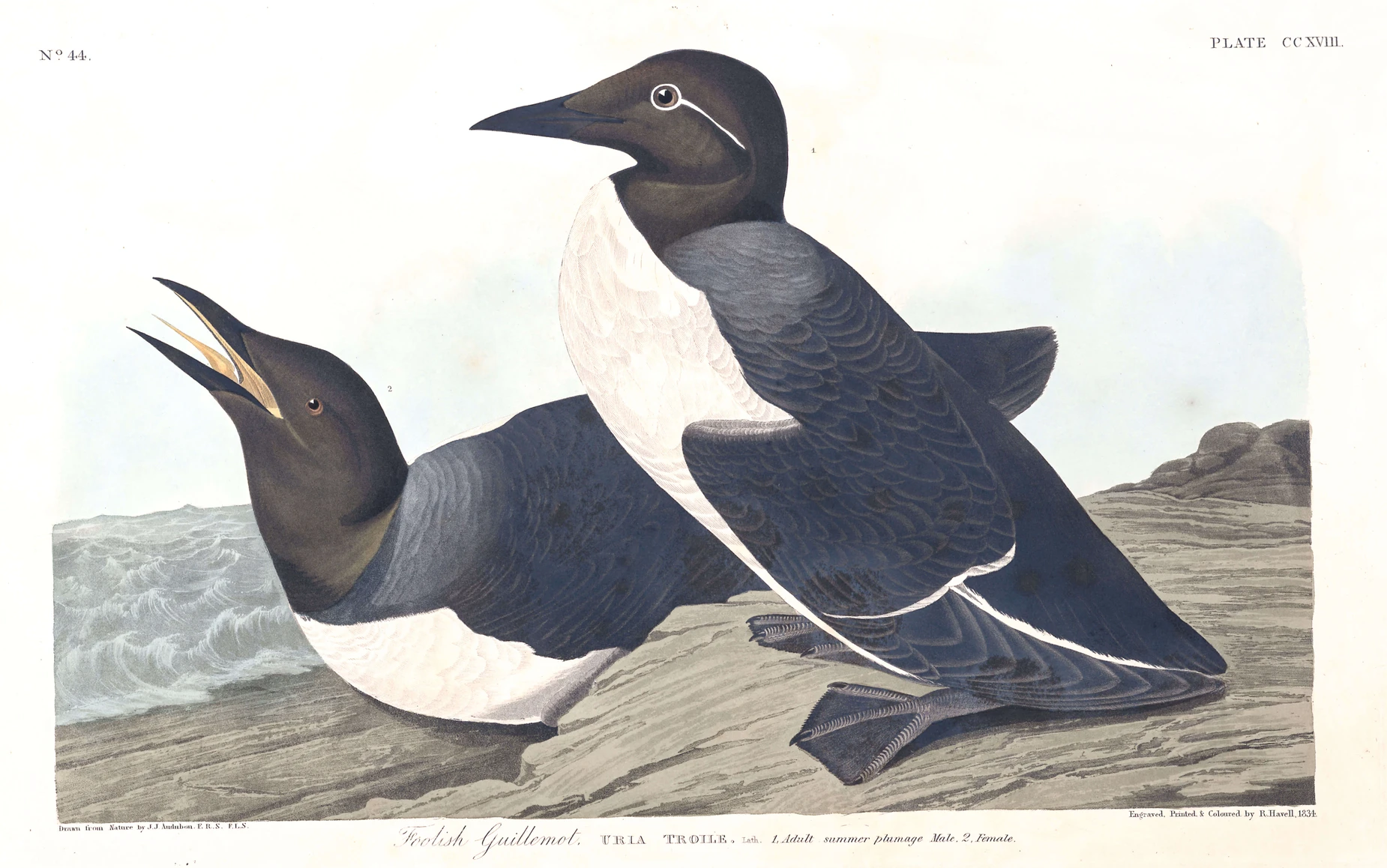
Plate Painted By John Audubon (1785-1851AD)
Location | Date

Plate Painted By Allan Brooks
The guillemote is found on the right of the plate, next to the rhinosaurus auklet on the left. The winter plugmage of this specific species is found in the far right specimen portrayals. These birds were everywhere on the island I was on near Alaska, they have very bright coloured feet and are imposible to miss. I'm not exactly sure they earned their name. In the field, They occupied the rocks, and slower water of the inlets and bays. I once watched them mate on a dockside tire... Life is beautiful...
Location | Date
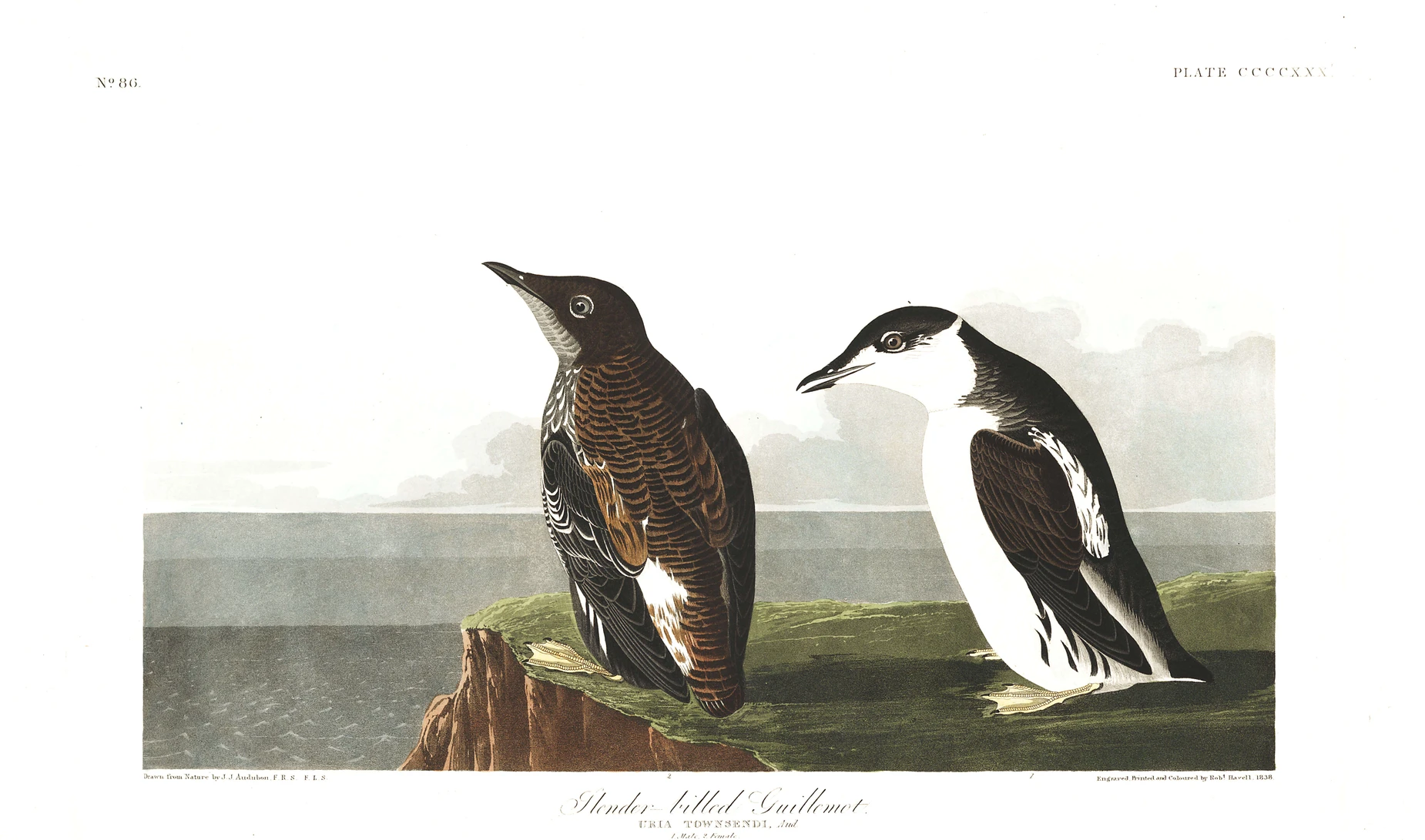
Plate Painted By John Audubon (1785-1851AD)
Location | Date
Plate Painted By John Gould (1804-1881 AD)
Location | Date
Plate Painted By John Gould (1804-1881 AD)
Location | Date
Plate Painted By Allan Brooks
The specimen is portrayed on the left of the plate. It's a pretty funny bird to me, and one of my favourite sea birds. It is just so bizzare to me for them to be a horned bird for part of the year. In the field, they were a pretty common bird that I would expect to see while out boating off the shore line. They seemed to occupy more open water, and I rarely saw them in inlets or bays.
Location | Date

Plate Painted By John Gould (1804-1881 AD)
I was once eating a bowl of cold pasta on a busstop bench, there was a dead pigeon on the road infront of me. One of the morphed ones that are white and brown flew in, and started to eat the dead one. It was one of the few times in my life I was bothered by death, I ended up tossing the pasta.
Location | Date

Plate Painted By J.F Naumann
Location | Date
.jpg)
Plate Painted By Robert W. Hines
Location | Date
Plate Painted By John Gould (1804-1881 AD)
Spotted in the Margate pond, it may be one of my favourite birds ever. Supringly big bird, they have a very suiting name.
Location | Date
Found in wooded ripearian zone alongside a creek.
Location | Date

Plate Painted By John Audubon (1785-1851AD)
Location | Date
Plate Painted By John Gould (1804-1881 AD)
Location | Late May, Atlantic Coast.
Plate Painted By John Gould (1804-1881 AD)
Location | Late May, Atlantic Coast.
Plate Painted By John Gould (1804-1881 AD)
Location | Date

Plate Painted By John Audubon (1785-1851AD)
Location | Date

Plate Painted By John Audubon (1785-1851AD)
Location | Date
![]()
Plate Painted By John Audubon (1785-1851AD)
Location | Date

Plate Painted By John Audubon (1785-1851AD)
If one bird considered me a friend, it would be this guy. Absoloutly the best wild bird, extremly tame and will join you at the trail head as you tie your boots. I'm starting a petition to change their name to Panda Jay (Perisoreus pandadensis)
Location | Date
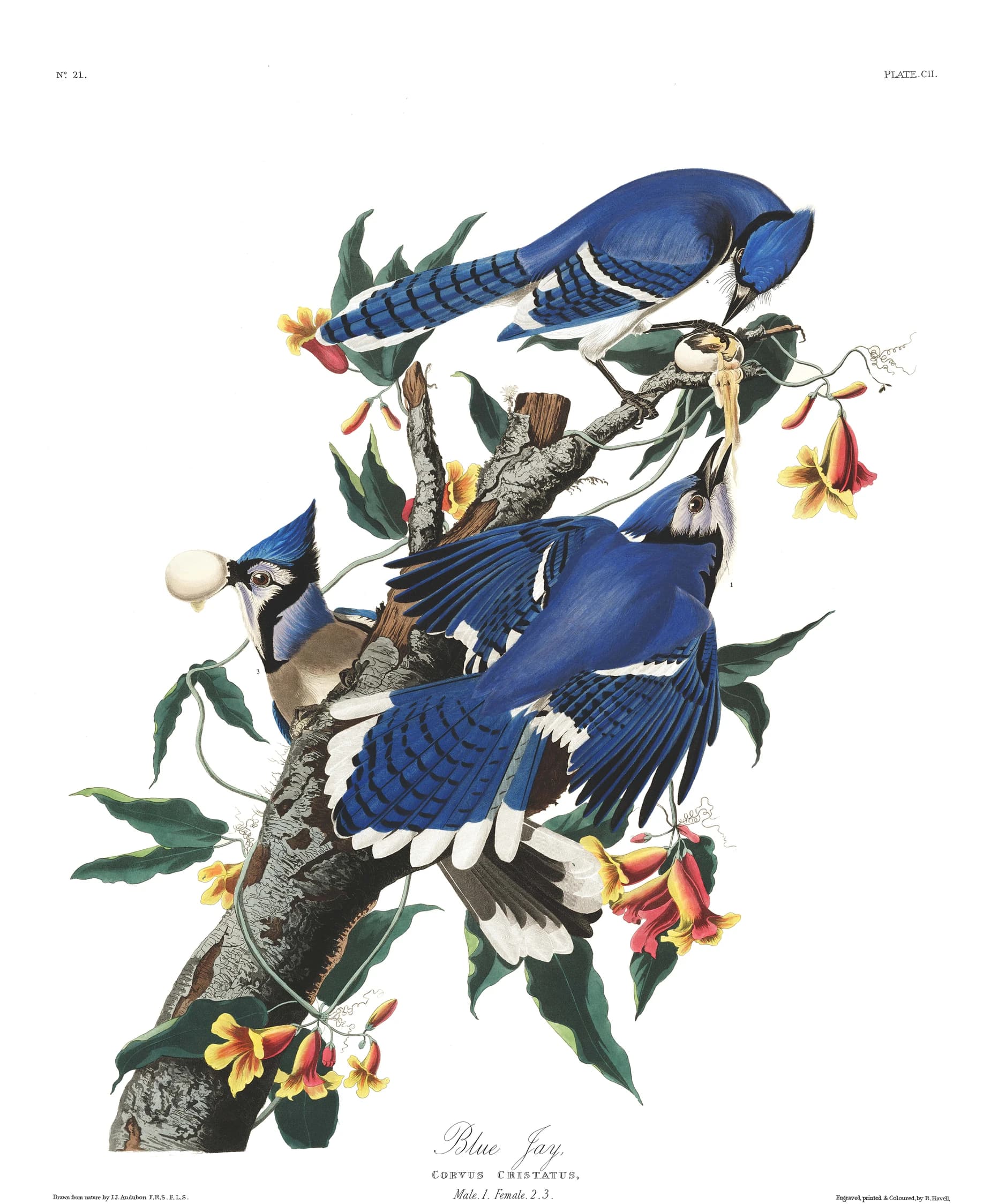
Plate Painted By John Audubon (1785-1851AD)
Location | Date
Plate Painted By John Gould (1804-1881 AD)
Location | Date

Plate Painted By John Audubon (1785-1851AD)
Location | Date
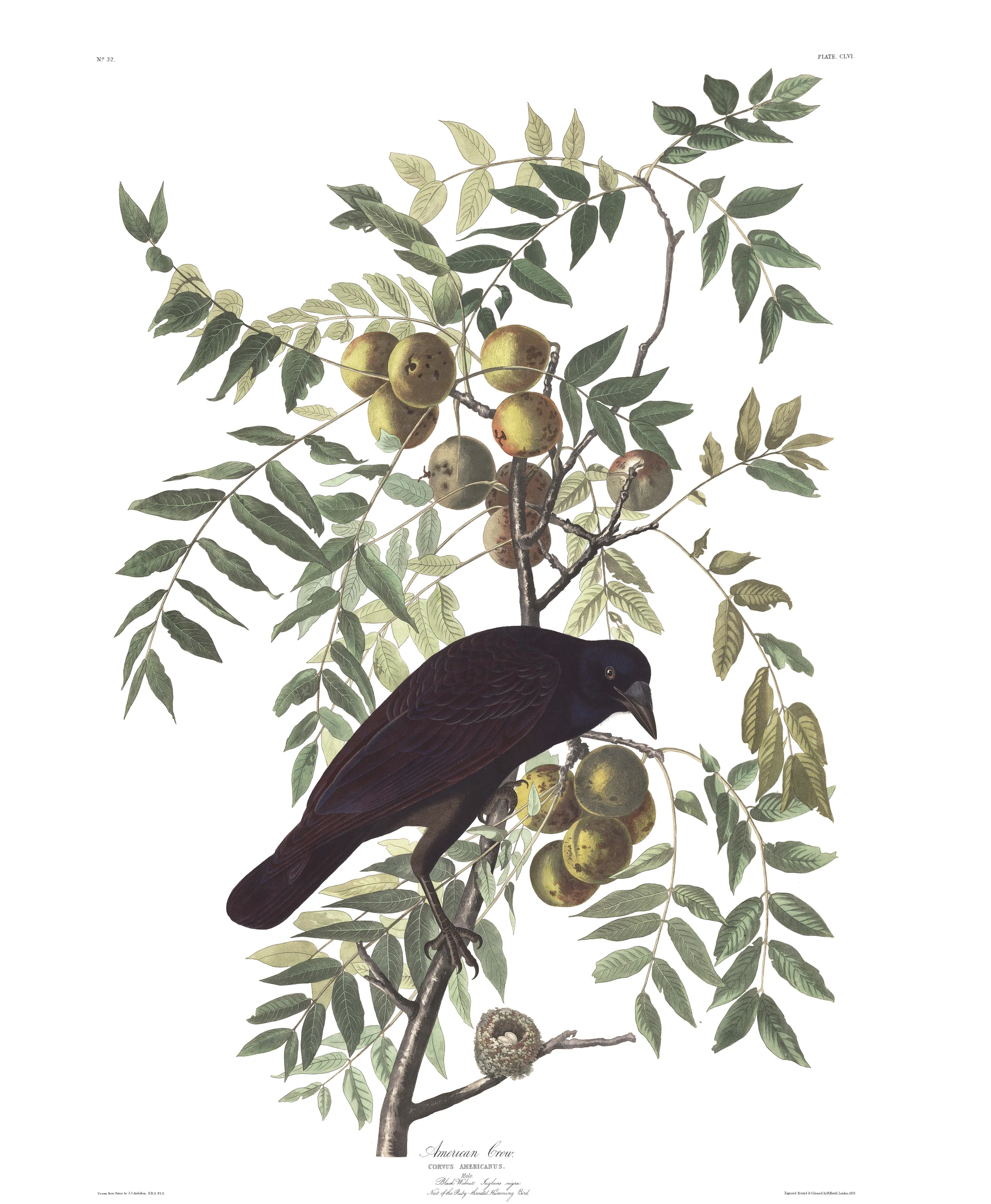
Plate Painted By John Audubon (1785-1851AD)
Location | Date
Plate Painted By John Gould (1804-1881 AD)
Location | Date

Plate Painted By John Audubon (1785-1851AD)
Location | Date
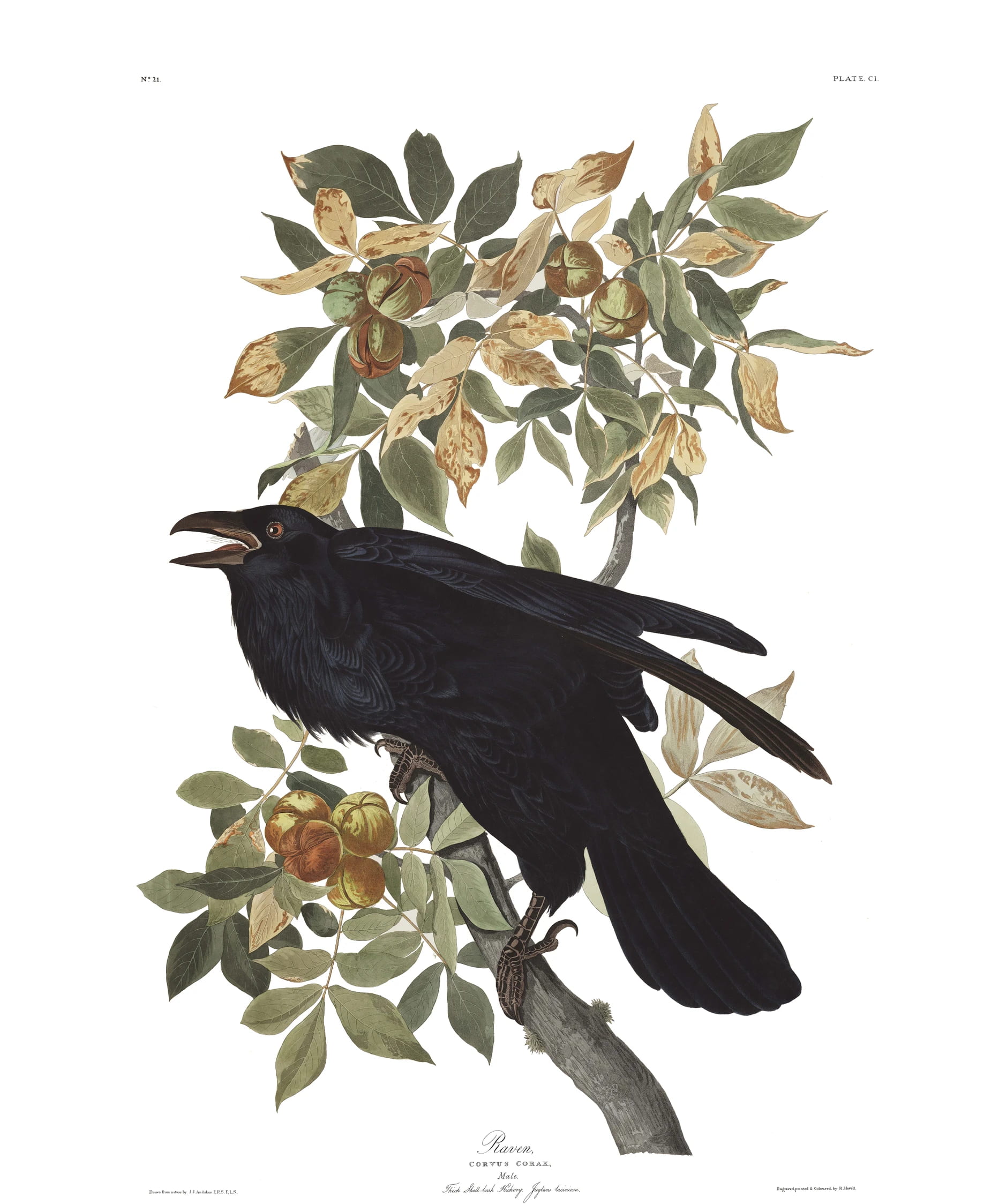
Plate Painted By John Audubon (1785-1851AD)
Location | Date
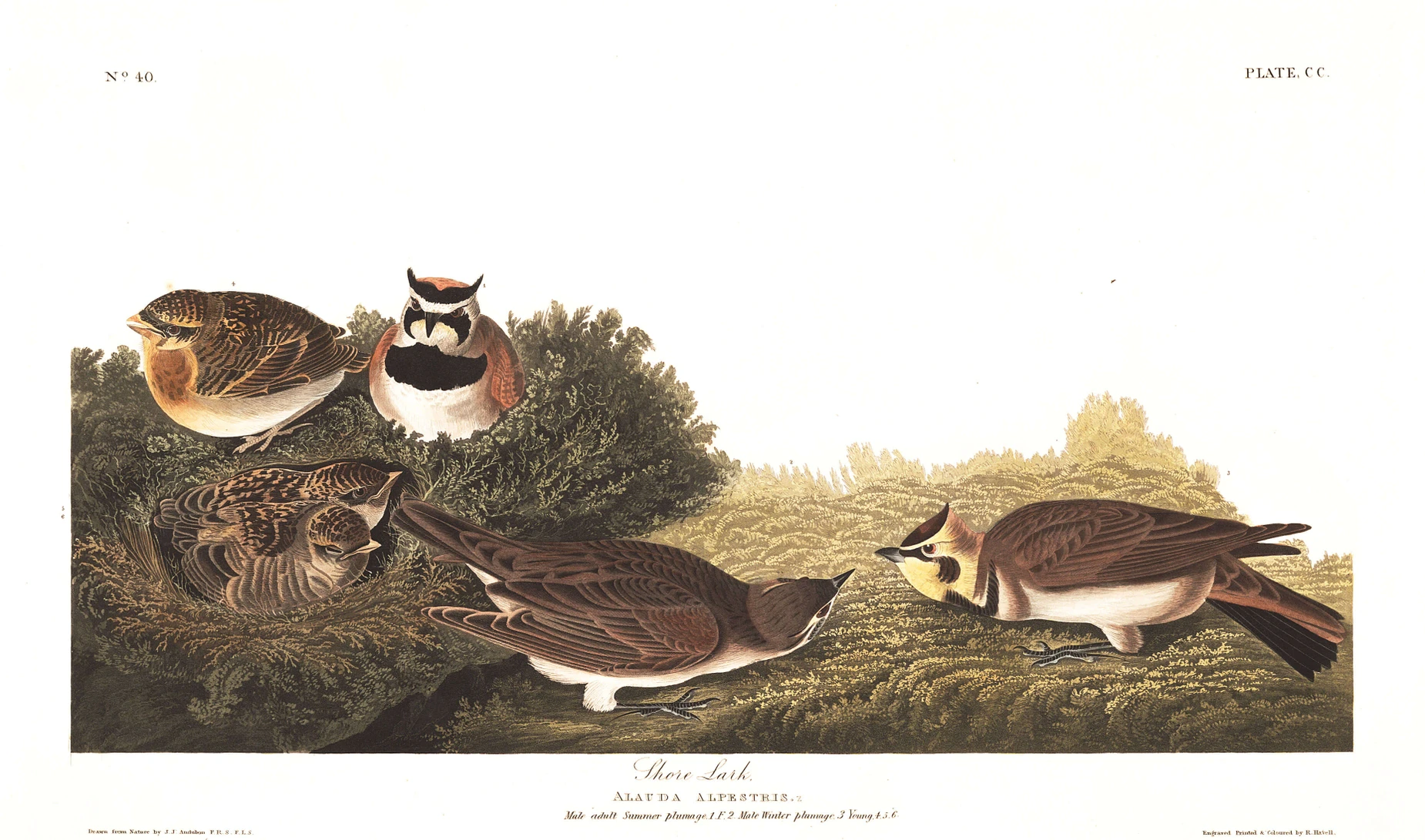
Plate Painted By John Audubon (1785-1851AD)
Location | Date

Plate Painted By John Audubon (1785-1851AD)
Location | Date
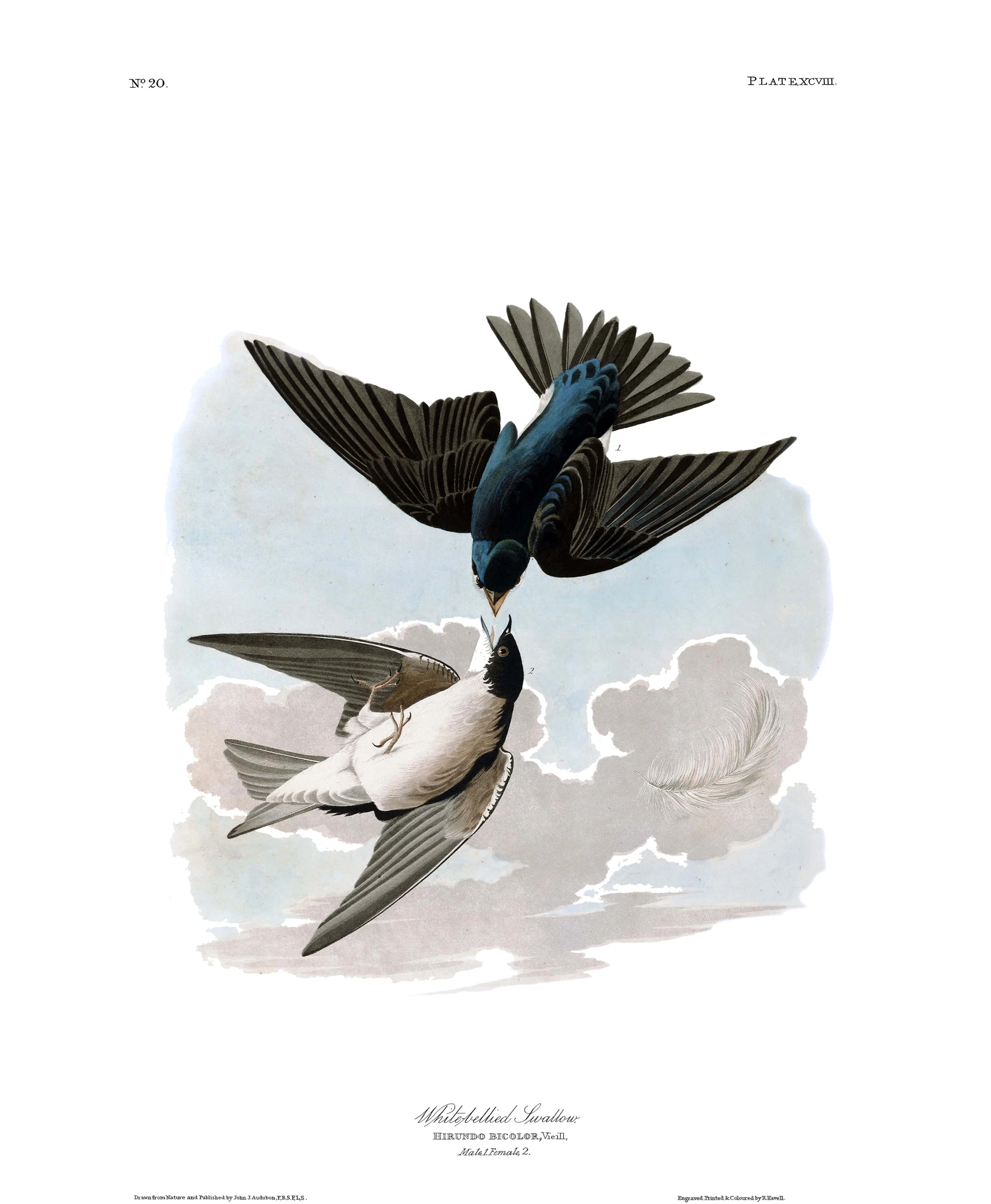
Plate Painted By John Audubon (1785-1851AD)
Location | Date

Plate Painted By John Gould (1804-1881 AD)
Location | Date

Plate Painted By John Audubon (1785-1851AD)
Captivating bird, it's facinating watching them skim the water while they take sips and eat bugs. They had a nest inside the compartment of a floating fuel dock I was working on up North, the chicks were high off the fumes I think. Come to think of it, even the adults were extremly chill about working around eachother. Very recognizable swallow, just look for the orange on them, and their proximity to human structures.
Location | Date
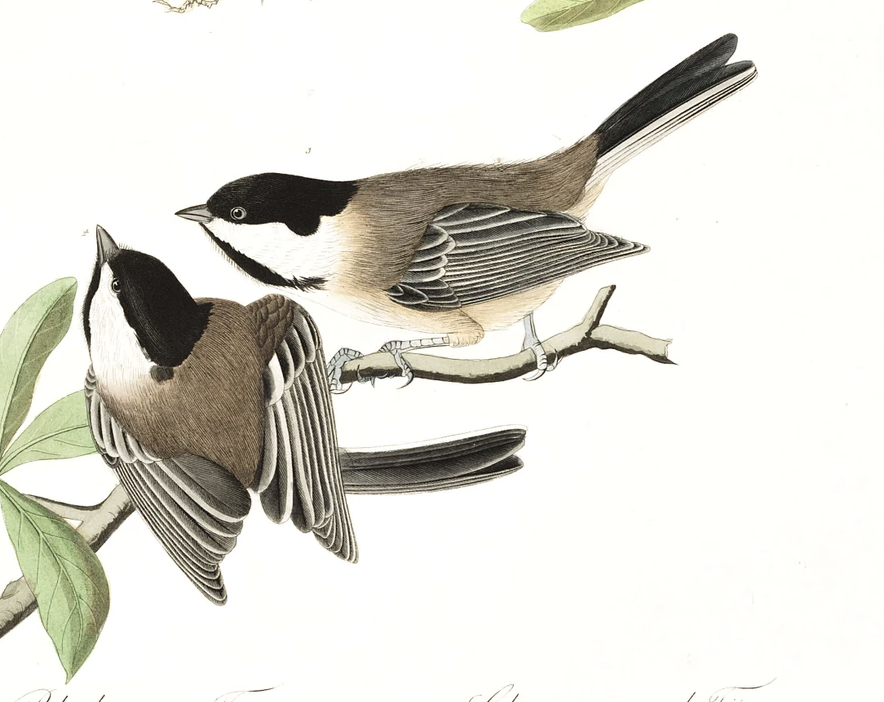
Plate Painted By John Audubon (1785-1851AD)
Location | Date

Plate Painted By John Gould (1804-1881 AD)
Location | Date
Plate Painted By John Gould (1804-1881 AD)
Location | Date

Plate Painted By John Audubon (1785-1851AD)
Location | Date
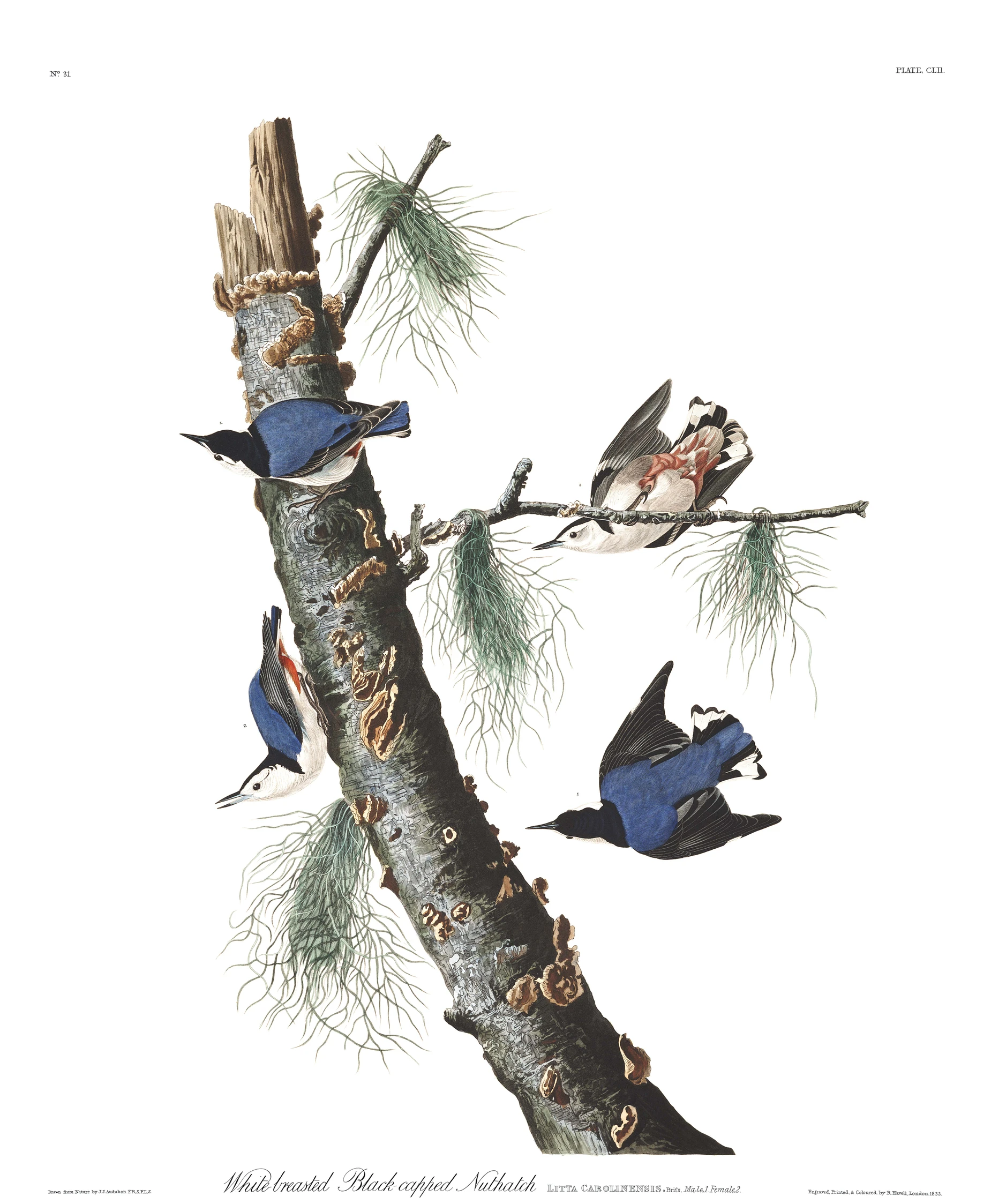
Plate Painted By John Audubon (1785-1851AD)
Location | Date
Plate Painted By John Gould (1804-1881 AD)
Location | Date
Plate Painted By John Gould (1804-1881 AD)
Location | Date
Plate Painted By John Gould (1804-1881 AD)
Location | Date

Plate Painted By John Gould (1804-1881 AD)
Location | Date
Plate Painted By John Gould (1804-1881 AD)
Location | Date
Plate Painted By John Gould (1804-1881 AD)
Location | Date
Plate Painted By John Gould (1804-1881 AD)
Location | Date

Plate Painted By John Audubon (1785-1851AD)
Location | Date
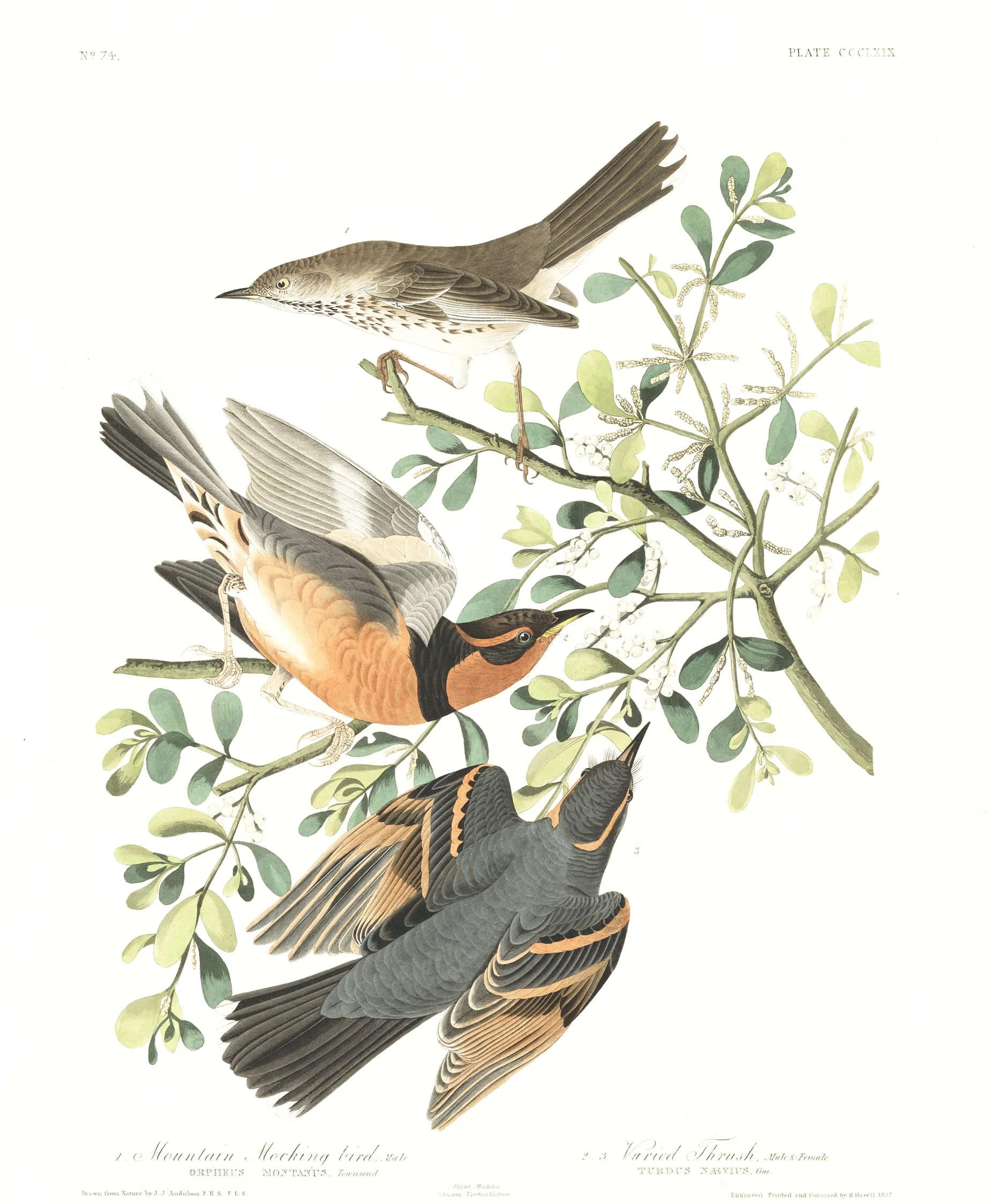
Plate Painted By John Gould (1804-1881 AD)
Location | Date

Plate Painted By John Gould (1804-1881 AD)
Location | Date
Plate Painted By John Gould (1804-1881 AD)
Location | Date

Plate Painted By John Audubon (1785-1851AD)
Saw a whole flock of them eating something mysterious out of the flowers of a blosuming apple tree. Absoloutly beautiful bird to see, it paints the landscapes wonderfully. A true spring vision. Also I feel like spring is just summer and summer is spring, maybe my catagariacaly classification of it will change wehn i get a 18th degree sunburn in Auguest somehow.
Location | Late May, Atlantic Coast.

Plate Painted By John Audubon (1785-1851AD)
Location | Late May, Atlantic Coast.

Plate Painted By John Audubon (1785-1851 AD)
Location | Late May, Atlantic Coast.

Plate Painted By John Audubon (1785-1851AD)
Location | Late May, Atlantic Coast.

Plate Painted By John Audubon (1785-1851 AD)
Location | Late May, Atlantic Coast.

Plate Painted By John Audubon (1785-1851 AD
Location | Late May, Atlantic Coast.

Plate Painted By John Audubon (1785-1851 AD
Location | August, Pacific Northwest.
Plate Painted By John Gould (1804-1881 AD)
Location | Late May, Atlantic Coast.
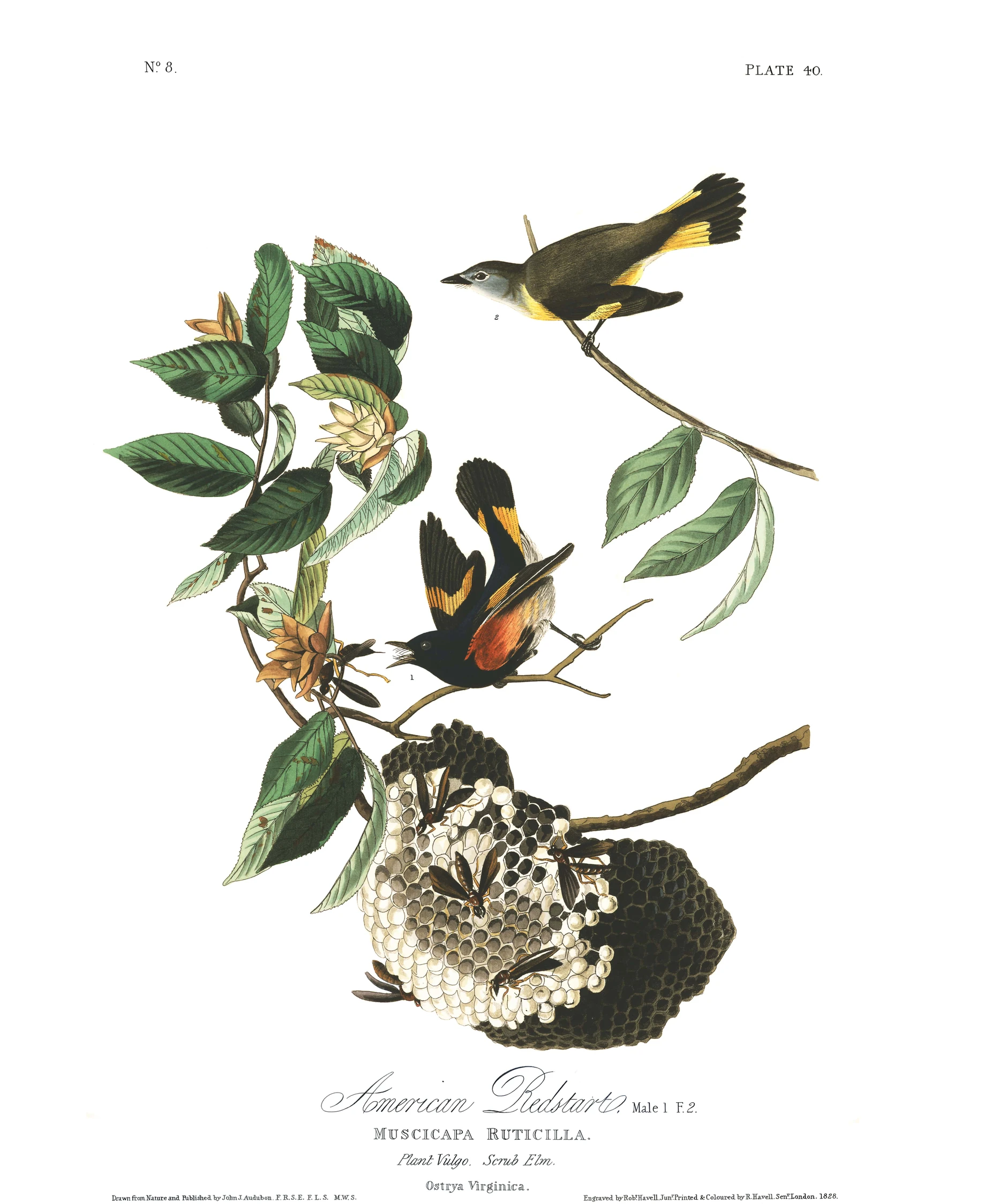
Plate Painted By John Audubon (1785-1851AD)
Location | Early June, Atlantic Coast.
![]()
Plate Painted By John Audubon (1785-1851AD)
Location | Early June, Atlantic Coast.
![]()
Plate Painted By John Audubon (1785-1851AD)
Location | Early May, Atlantic Coast.

Plate Painted By John Audubon (1785-1851AD)
Location | June, Pacific Northwest.
Plate Painted By John Gould (1804-1881 AD)
Location | Late May, Atlantic Coast..

Plate Painted By John Audubon (1785-1851AD)
Location | Late May, Atlantic Coast..
![]()
Plate Painted By John Audubon (1785-1851AD)
Location | Late May, Atlantic Coast..
Plate Painted By John Gould (1804-1881 AD)
Location | Date

Plate Painted By John Audubon (1785-1851AD)
Location | Date
Plate Painted By John Gould (1804-1881 AD)
Location | Date
Plate Painted By John Gould (1804-1881 AD)
Location | Date
Plate Painted By John Gould (1804-1881 AD)
The dominent sparrow species on an island I worked on in the Pacific Northwest. From my understanding, they are called fox sparrow due to their reddish colouring. The specific ones I was seeing were the Sooty sub-species (iliaca), which are much darker than the parent species. They are also a relativly large sparrow, and acted rather cryptically in relation to human activity, being heard more frequently than seen.
Location | Date
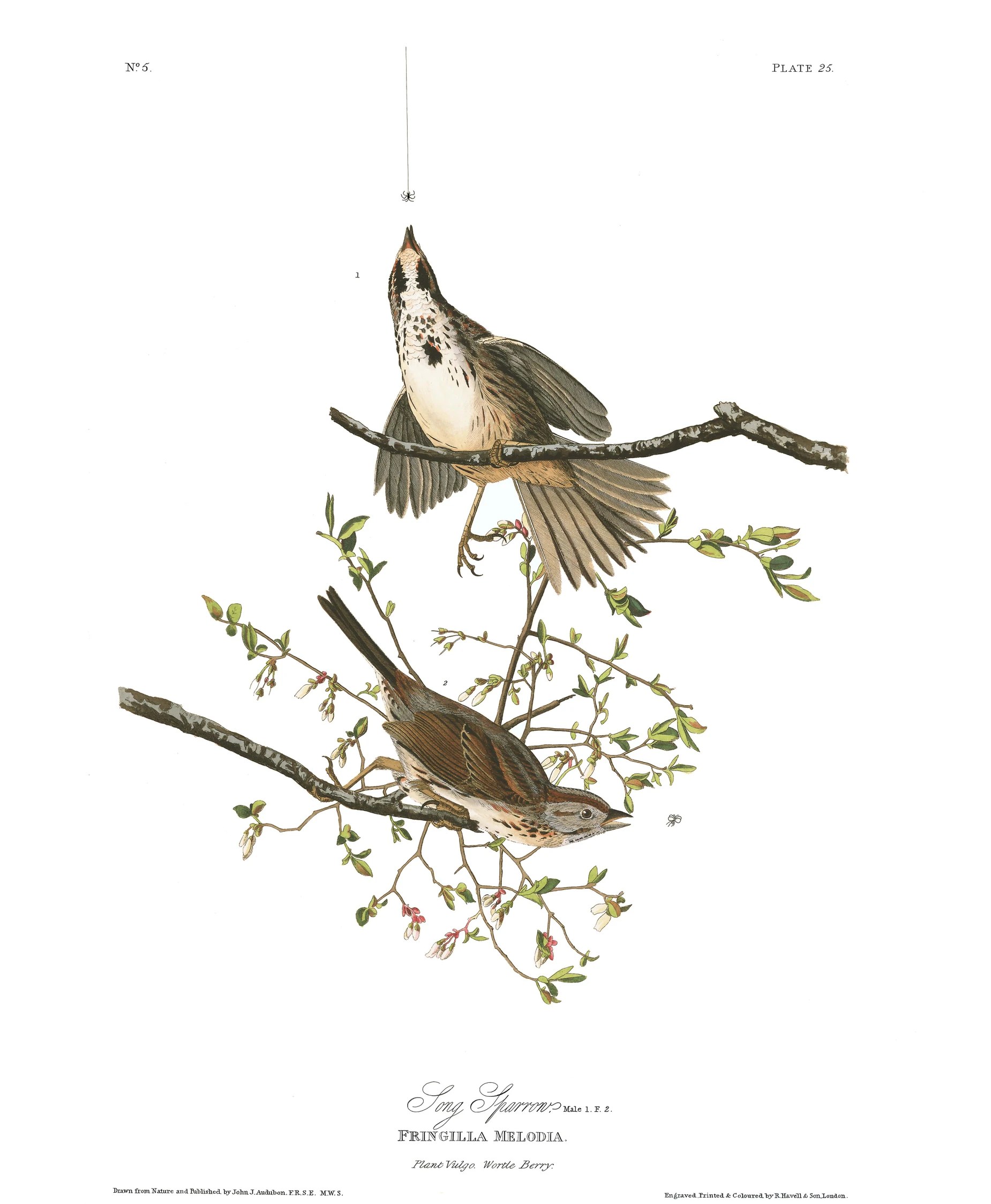
Plate Painted By John Audubon (1785-1851AD)
Location | Date
![]()
Plate Painted By John Audubon (1785-1851AD)
Secreative sparrow species, looks similar to Song Sparrow at first glance. What struck me at first towards its distinction was it's behavior of hanging on very low hanging branches, and holding in the long grasses in the wetland, along with brighter back featering than M. melodia. When flushed out from grass, they made a few chirps, as they dropped into another patch of grass.
Location | Date
Plate Painted By John Gould (1804-1881 AD)
Location | Date
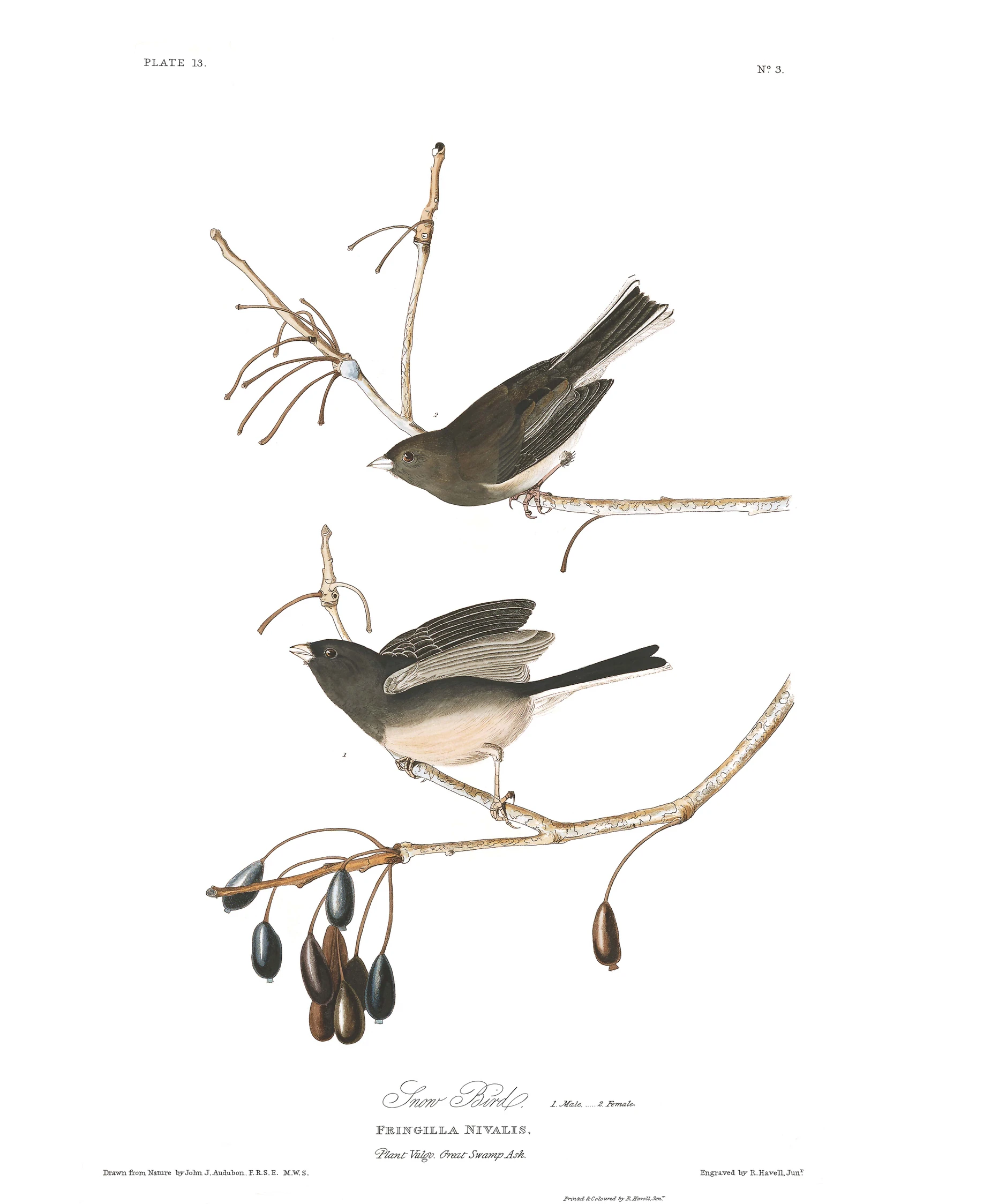
Plate Painted By John Audubon (1785-1851AD)
Location | Date

Plate Painted By John Gould (1804-1881 AD)
Location | Date

Plate Painted By John Audubon (1785-1851AD)
A small black, white and brown bird, as they brush in the snow, the brown tips of feather are worn down, leaving their plumage in strict contrast. Their arival from the arctic coincides with with the arival of snow in the southern provinces. I've seen them on sanddunes as far into the year as April, they seem to stay not much later, returing to the arctic to raise their young.
Location | Date

Plate Painted By John Audubon (1785-1851AD)
Location | Date
Plate Painted By John Audubon (1785-1851AD)
Location | Date
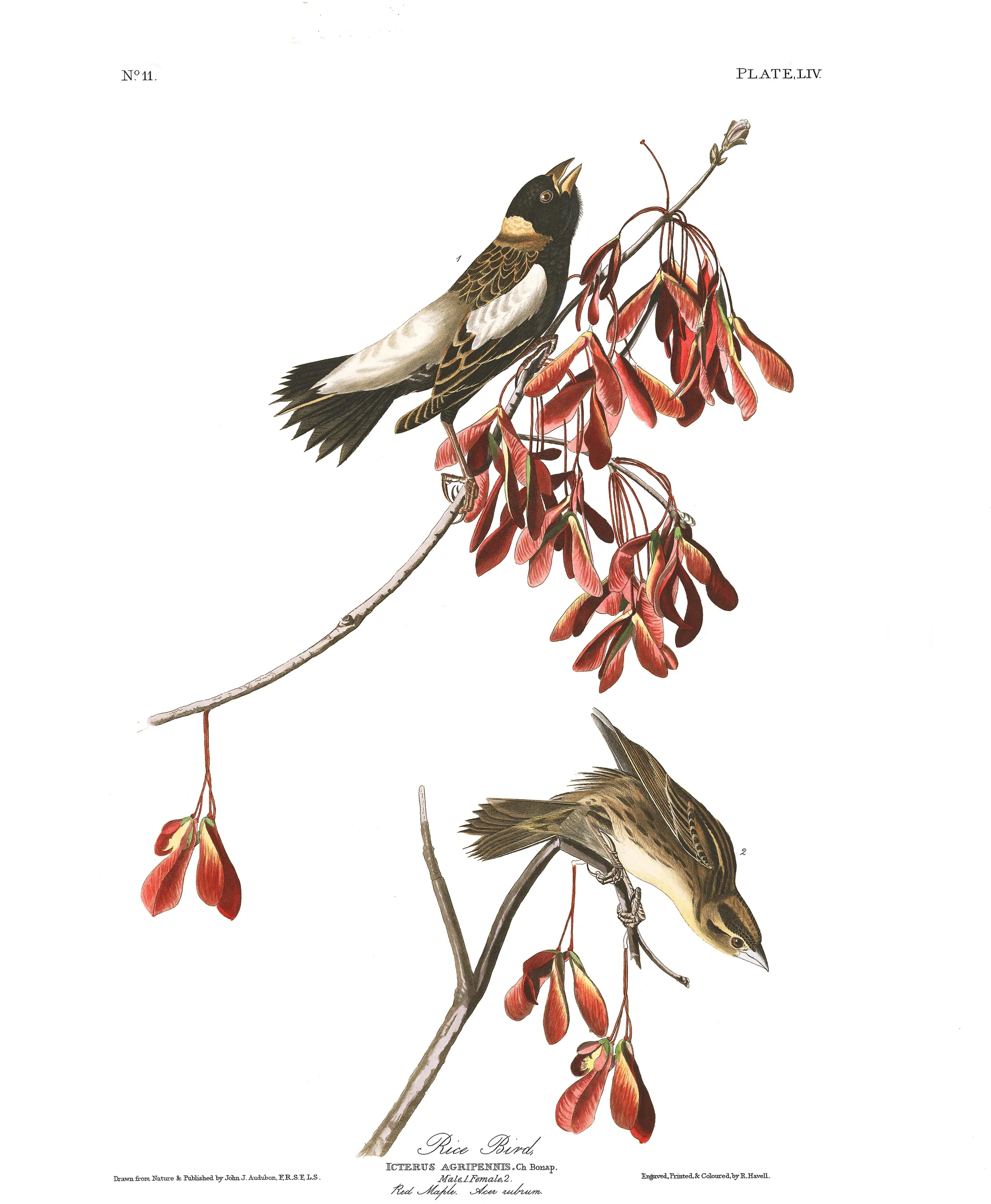
Plate Painted By John Audubon (1785-1851AD)
Location | Date

Plate Painted By John Audubon (1785-1851AD)
Location | Date

Plate Painted By John Audubon (1785-1851AD)
Location | Date
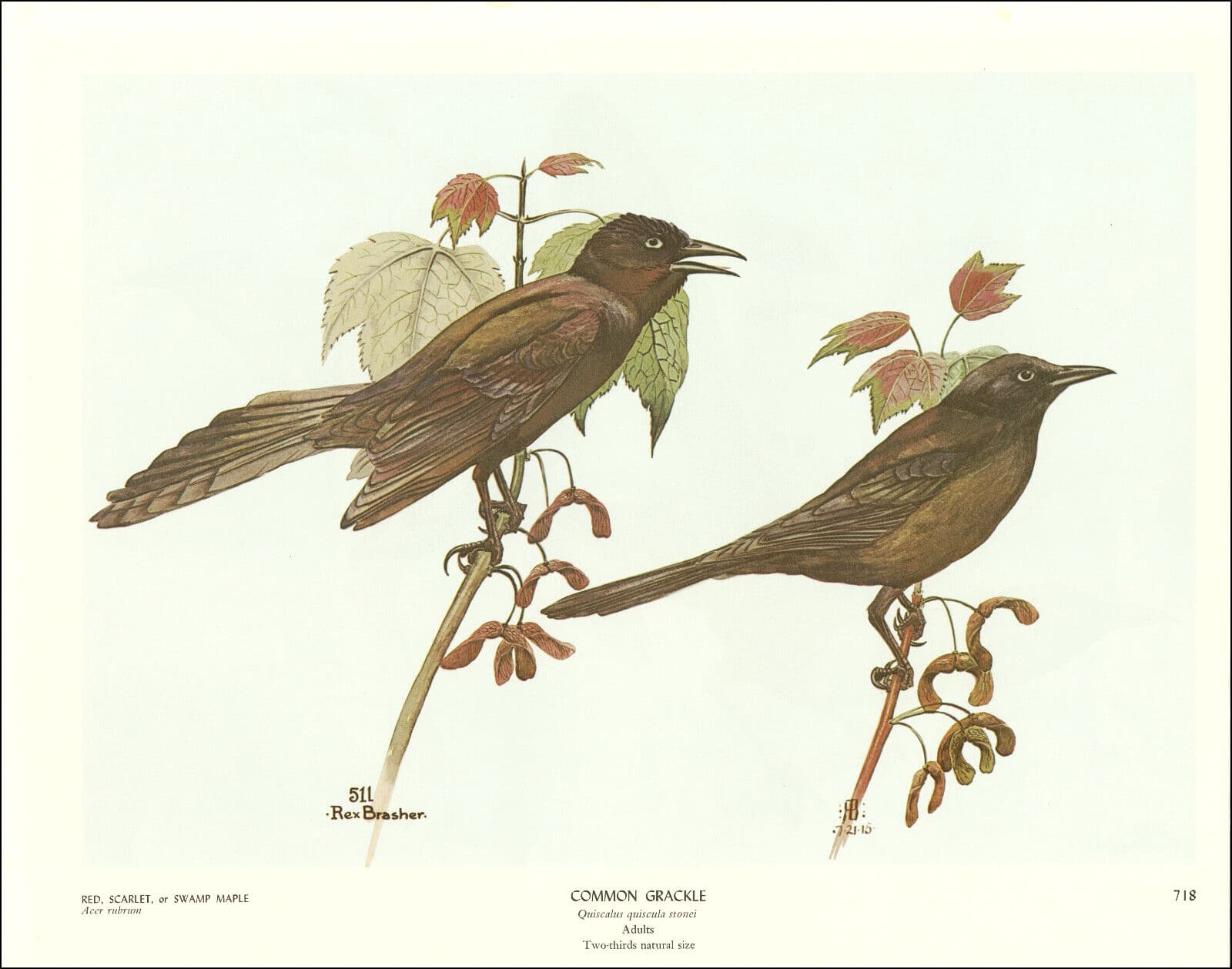
Plate Painted By Rex Brasher
Location | Date

Unknown
Location | Date
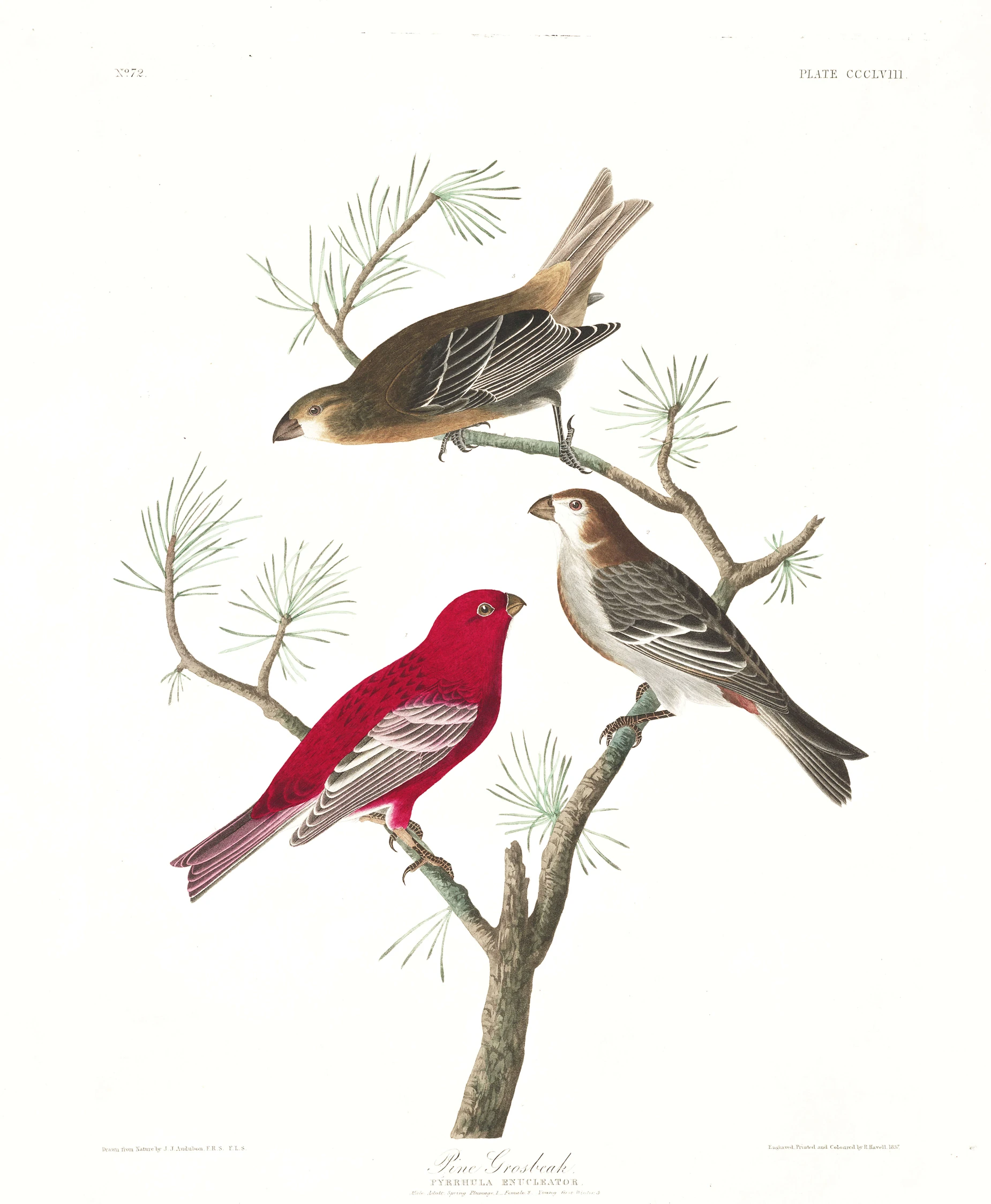
Plate Painted By John Audubon (1785-1851AD)
Location | Date
Plate Painted By John Gould (1804-1881 AD)
I found him on the road, I pulled over and a SUV drove over top of him. I went to check on the carcass, and he some how dodged the wheel. I picked him up and walked him to my car. He was perching on my hand and was so chill, I brought him into the whip (Pontiac Vibe AWD FTW) and he chilled so hard. Homie was the best bird I ever had the pleasure of crossing paths with in my life, he literally sat in the passenger seat while we whiped up to the burough. I pulled into the spot, and homie scopped out a tree, I popped the door and he took off to a bird feeder. Shoutout homie for thugging innercity bird life, mollywhooped by a car, coulda been a murder case. Ion know your name, but I'ma remember you as friend ☪
Location | Date
![]()
Plate Painted By John Gould (1804-1881 AD)
Location | Date

Plate Painted By John Gould (1804-1881 AD)
Location | Date

Plate Painted By John Gould (1804-1881 AD)
Location | Date
Plate Painted By John Gould (1804-1881 AD)
Location | Date
Plate Painted By John Gould (1804-1881 AD)